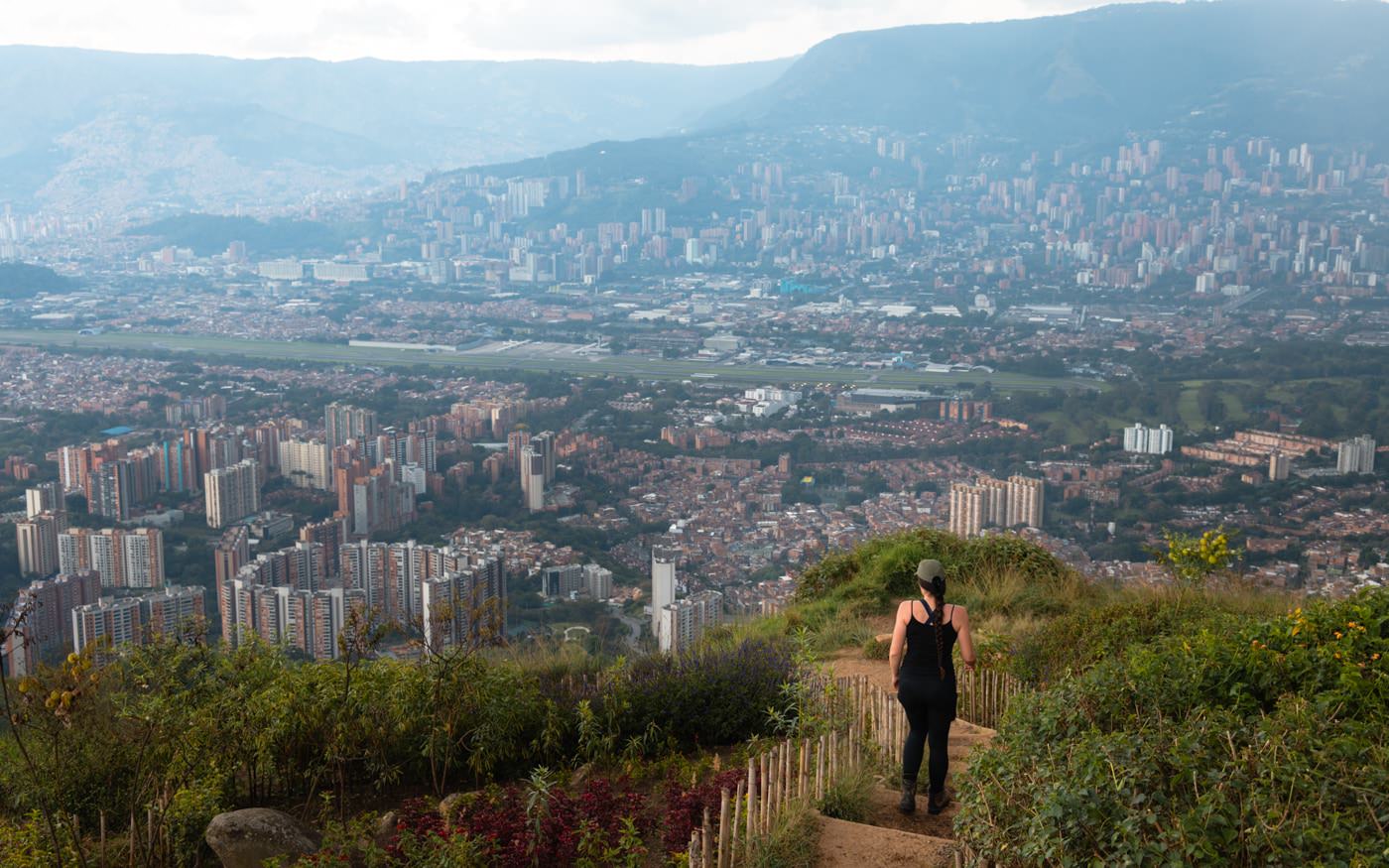


Once infamous for its association with cartels and violence, the Colombian city of Medellín has undergone an impressive transformation and is now one of the most vibrant, innovative, and welcoming cities in Latin America. Nicknamed the ‘City of Eternal Spring’ thanks to its perfect year-round climate, the capital of Antioquia is easily one of my favorite places in Colombia.
I spent three weeks in Medellín whilst attending Spanish school, and it’s safe to say I fell in love with it. The city’s remarkable history and mountain valley location means that there is an abundance of things to see and do, and ‘Paisas’ (Medellín) locals, are some of the warmest people you’ll meet in Colombia.
If you’ve got a few days to spend in the city and want to make the most of everything it has to offer, I’ve got the Medellín itinerary for you. Read on for my guide for spending 3 days in Medellín and see the best the city has to offer without it feeling rushed.
2026 update: Medellín continues to grow as one of South America’s top travel destinations. The metro system remains the easiest and safest way to get around, and the city’s food and nightlife scene, particularly in Laureles and El Poblado, has expanded significantly in recent years. The tips and recommendations in this guide are based on Ellie’s three weeks in the city, updated for 2026.
Day 1
Morning - Medellín Walking Tour
This Medellín itinerary kicks off with what is, in my opinion, the best way to start your time in any city - a walking tour.
The truth is that there is so many fun things to do in Medellín, but I believe the right start for your time in Medellín is to learn about the city's checkered history. This is a great way to get an understanding of what its people have lived through, and this is invaluable for the rest of your stay.

If you’ve ever watched the Netflix hit ‘Narcos’, you’ll know that Medellín was once at the epicenter of Pablo Escobar's drug empire, and the city was ruled by crime and violent conflict. The infamous Medellín cartel ran their operations through the city, utilising its geographical location and mountain road links to traffic narcotics and ammunition.
This free walking tour starts at Parque Manuel Antonio and works through the downtown area. It’s led by a knowledgeable local guide who will explain the significance of this part of Medellín within the conflict, as well as providing insights into what life was like for residents during this period.
The walking tour lasts for three hours and ends at the Museo Casa de la Memoria. This is located close to La Candelaria, and there are some great restaurants here for lunch after the tour - I recommend stopping at Restaurante Hatoviejo Centro. This is a great spot serving up authentic Colombian food, and it’s a great place to try Colombia's national dish, Bandeja Paisa.
Book: Medellín Walking Tour


Afternoon - Pueblito Paisa
After lunch, jump on Medellín’s metro system at Parque Berrio Station to head to your next stop - Pueblito Paisa. Get off at Industriales station; from there it's a short walk to the base of Cerro Nutibara, the small green hill where Pueblito Paisa sits at the top. You can get an Uber if you prefer, but I really like using the metro in Medellín — a lot of the tracks are overground, making it a great way to get some cool views of the city. It’s pretty simple to use, but you can’t pay for single journeys - instead, you need to purchase a card for 10,000 COP and top it up with the money required for your fare. Keep this card with you, as it can be used for the duration of your trip.
One transport note worth knowing: Uber drivers are typically dropped at the bottom of the hill and can't take the road to the top. If you'd rather be driven all the way up, take a taxi instead — they're allowed up the hill road and every driver in the city will know where to take you. From El Poblado, expect to pay around 7,000 COP.

Entrance is free. The steep steps up through the gardens are short-lived, and on the way up you'll pass an outdoor gym area popular with locals. At the top, the cobblestone square is centered around a fountain and lined with brightly colored traditional Antioquian buildings — it's a great spot to wander, try some local drinks, and take photos.
Tip: Visit on a weekday morning or early afternoon if you can — it gets busy on weekends and early in the day you'll have the viewpoint largely to yourself with better visibility over the city.
A few things not to miss while you're there: the white church at the entrance (a beautiful traditional replica — the altar inside is said to be over 100 years old), the Cacique Nutibara statue in the square (a large concrete sculpture of an indigenous chief who ruled the area before the Spanish arrived, created in 1955), and the Museo de Ciudad just opposite the square, which tells the story of Medellín from its indigenous roots to the present day — entry is 5,000 COP and well worth it.
Continue up the steps past the museum and you'll reach the viewpoint at the very top — a large grassed area sitting above a water tank, with sweeping views of Medellín's sprawling barrios and the mountains beyond. We spent a good 20 minutes up here and I'd say it's the best reason to make the trip.
Read more: Full guide to visiting Pueblito Paisa


Evening - Visit Laureles
Laureles is one of my favorite neighborhoods in Medellín, and it’s a great place to spend your first evening in the city. It has a very vibrant, local atmosphere and some really great places to eat and drink. You can’t go too wrong here - as you walk down the neighborhood's tree-lined streets, you’ll be spoilt for choice no matter what cuisine you’re in the mood for. I ate at Canarrio rooftop which is a great spot for tacos with an incredible view over the city.
After eating, head to Son Havana and grab a drink. There’s live music and salsa dancing on here most nights, and it’s a very fun place to spend your first evening in Medellín.

Day 2
Morning - Comuna 13 Tour
No Medellín itinerary would be complete without a tour of Comuna 13. Once one of the most dangerous areas in Medellín, Comuna 13 was heavily controlled by armed groups, making daily life a struggle for its residents.
During the 1980s and 1990s, left-wing guerrilla groups like the FARC and ELN operated in the area, using its steep hills as strategic hideouts. Later, right-wing paramilitaries such as the AUC moved in, leading to brutal clashes. Drug cartels and local gangs also fought for control, using Comuna 13 as a key trafficking route.

In 2002, Operation Orion, a large-scale military raid, sought to remove these groups but resulted in civilian casualties and mass disappearances. Life in Comuna 13 was marked by violence, a lack of opportunities, and the daily struggle to stay safe in one of Colombia’s most dangerous war zones.
In the early 2000’s, a huge regeneration project took place in the area, led by the Colombian government and local organizations. Community-led initiatives and government-backed infrastructure improvements transformed Comuna 13, and as a result, the area is now a symbol of resilience and one of Medellíns most popular tourist spots.
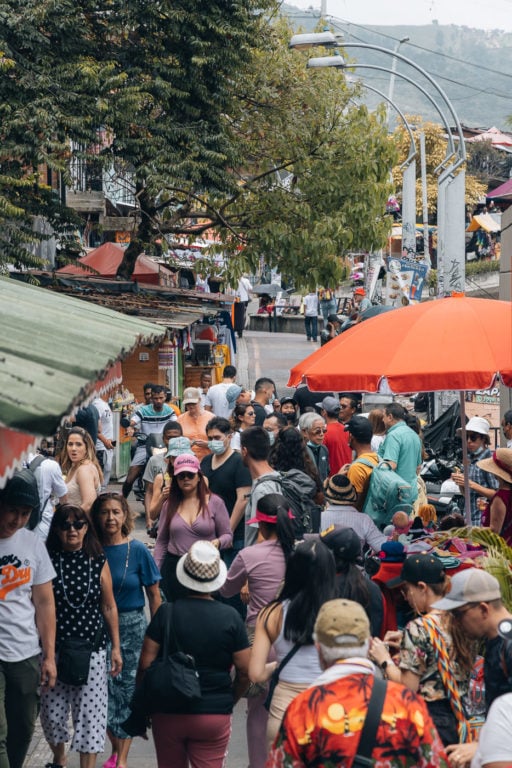
You can visit Comuna 13 without a guide, but I really recommend joining a walking tour. These are led by local residents who have lived in the area for their whole life, and each guide is able to provide unique insights into life in Comuna 13, as well as the history, artwork, and the social changes that have shaped the area.
This Comuna 13 tour is a great option and includes a food tour and coffee tasting, as well as a guided walk through the area. It also includes a trip up the metrocar that soars above Comuna 13, which was one of my favorite parts of my visit - you can’t truly comprehend the scale of the sprawling hillside neighborhood until you’ve seen it from above.


Afternoon - Plaza Botero
After finishing your tour, jump on the metro at San Javier and head to Berrío station. It’s a short walk from there to Plaza Botero, an open-air park in La Candelaria, the city's old quarter, displaying 23 bronze sculptures by Colombia's most celebrated artist, Fernando Botero. Entry is free.
These unique statues are in Botero's signature style, which is to depict characters in large, exaggerated volume, and many of them were created as an act of political criticism. He’s one of Colombia's most famous artists and the Plaza is a bustling place filled with food vendors and street performers, so it’s a really cool place to spend an afternoon in Medellín.
One thing I'd strongly recommend while you're here: step inside the Museo de Antioquia, which sits directly across from the plaza. It houses the largest indoor collection of Botero's work anywhere in the world — paintings as well as sculptures — alongside a broader collection of Colombian art. Entry is around 20,000–25,000 COP and it's absolutely worth it, especially if you've just spent time with the outdoor sculptures and want to understand the full scope of his work.
Tip: The hike pictured in the featured photo at the top of this post is the Cerro de las Tres Cruces Hike, go check it out if you have enough time in Medellín, it's one of my favorite hiking trails!

Evening: Salsa Class
No visit to Medellín would be complete without experiencing the city’s famous salsa scene. Salsa is as synonymous with Colombia as coffee, and it’s deeply ingrained within local culture - you absolutely can’t miss a chance to give it a go during your three days in Medellín.
You won’t struggle to find a salsa class in Medellín, but not all salsa classes are created equal! Many dance schools, bars and hostels offer free group classes for beginners, but if (like me!) you aren’t a hugely confident dancer, it’s really worth paying for a class instead. This is because the free classes are usually pretty packed, and the teacher moves through the steps very quickly - which isn’t what you need if you’ve never tried the dance before.
I recommend taking a salsa class at Dancefree, located in El Poblado. They offer classes every evening, with groups split into ability level and private lessons available if you’re really serious about learning.
The class will usually last around 1-2 hours, and you’ll learn the basic steps, turns, and rhythms of salsa, with a focus on having fun. Even if you’re a complete beginner, you’ll be surprised how quickly you can pick up the basics. One of the reasons I recommend Dancefree is that after class, you can stay on and practice your new moves as the bar stays open until 11 PM.
Day 3
Morning - Paragliding (If You're Up for it)
One of the things that makes Medellín such a fascinating city is its geography. It’s smaller than the capital Bogotá, but is much more densely populated and spreads up the sides of the mountains that surround it. The result is incredible to look at from above.
The best way to do this? Paragliding!
This is hands down one of the most fun activities I did in Colombia and it was the perfect way to appreciate Medellíns unique skyscape. The experience starts up in the hills above the city, in an area called San Felix - which is about a 45-minute drive from El Poblado. Tours include hotel pickup and a bilingual driver, so there's no need to arrange your own transport.
You’ll receive a safety briefing and sign a waiver, before being strapped to your ‘pilot’ and all of the gear. The strangest part of the whole experience is takeoff (it feels pretty counterintuitive running towards the edge of the cliff) but before you know it, the wind is beneath the parasail and you’re swept off your feet!
Pictures just don’t do this experience justice, and I think it’s one of the best activities for your last day in Medellín. The flight lasts for around 20 minutes, and you’ll land back where you started in San Felix.
You can book your paragliding trip online. Tours currently run around $85–90 USD per person including hotel pickup and drop-off. Most operators include GoPro footage in this price; I highly recommend booking a tour that includes this, as you’ll definitely want to watch the flight back once it’s over! The experience starts with hotel pickup at 10:00 am, and I recommend planning this activity for the morning as there are often rainstorms in the afternoon in Medellín - so it’s not always possible to paraglide.
Tip: Note that most operators have a weight limit of around 120kg (264 lbs).

Afternoon - Museo Casa de la Memoria
After you’re dropped back to your accommodation, head to the Museo Casa de la Memoria in the La Candelaría area. For some reason, I don't see this museum recommended in many Medellín itineraries, and there was hardly anyone there when I visited. However, it’s easily one of the most interesting museums I’ve ever visited, so I think it’s a great place to visit.
It’s a small museum, made up of a curation of installations highlighting Medellíns violent past. As you walk through the rooms you’ll read and hear testimonies from victims, accompanied by a collection of photographs and videos that help shape the story of the city's history. Some of the content is pretty harrowing as it’s all very people-focused, but it’s a really great way to gain a deeper understanding not just of what life looked like during the troubling times, but the factors that led to them as well.
A lot of the information is in Spanish, but there’s an app you can download at the start of your visit with a free English audio guide.

Evening - Playing Tejo
The last activity in your Medellín itinerary is a game of Colombia's national sport - Tejo. This is a traditional game with indigenous origins, where players throw a metal disc (tejo) at a clay-filled target board. The goal is to hit small gunpowder-filled packets (mechas), which explode upon impact, and there’s a simple point-scoring system in place to keep it competitive.
Locals of all generations play this across the country, everywhere from backyards to dedicated Tejo halls. It’s a lot of fun, and it’s a very easy game to pick up! There’s one main spot in Medellín where tourists can try their hand at Tejo, and it’s located close to El Poblado in an area called Envigado. You need to reserve a spot with the owner on Tripadvisor.
It’s a group sport, but don’t worry if you’re travelling solo or in a pair as you’ll be grouped together with enough players. The guide, Chris, is super friendly and takes plenty of time to demonstrate and explain the rules. Prepare yourself for a pretty noisy, smoky evening - Tejo uses a lot of gunpowder!
If you Have Extra time in Medellín
If you have an extra day to spare in Medellín, or if you’re wondering where to head next - I highly recommend visiting Guatapé. The colorful Colonial town of Guatapé is just few hours away from Medellín by bus, yet offers a completely different experience to the bustling city.
There’s plenty to do here and it definitely warrants a day trip - you can spend a few hours admiring the beautifully unique buildings, as well as touring the man-made lake by boat, and climbing the mindblowing El Peñol rock.

Questions I'm Often Asked About Travel in Medellín
As mentioned I spent around three weeks in the city Olly the owner of this blog spent a few months living there! So together we have a pretty sound insight into what to expect in the city. Here are the questions we are often asked the most.
How to get around Medellín?
I was pleasantly surprised by how easy Medellín was to navigate. The metro system is super efficient and easy to navigate, and fares are set at a flat rate no matter the distance. Buying a ticket is easy as you just load money onto a card which you can use for the duration of the trip.
Alternatively, taxis are cheap and readily available. I recommend using a rideshare app such as Uber or Indrive as there are reports that these are safer than the yellow taxis you can find on the street.
Note: Uber is technically ‘illegal’ in Medellín, but there are heaps of uber drivers operating in the city. To avoid any issues, just make sure to jump into the front passenger side rather than the backseat as the drivers are less likely to be fined this way. I learnt this the hard way on my first Uber ride when the driver started shouting at me in very angry Spanish!
Is Medellín Safe
I was fortunate enough not to have any bad experiences during my three weeks in the city, so my opinion will be slightly biased - but I found Medelllín to be completely safe, and actually felt much safer here than I have done in many European cities.
Like much of Colombia, Medelllín is preceded by a reputation of robberies, kidnappings and violent crime. However, it’s one of the country's most visited cities and there is a large police presence in the tourist areas like El Poblado and Laureles to keep visitors safe - the government is really trying to shake this reputation, and make sure tourists have a good time here.
Is 3 days enough to explore Medellín
In my opinion, you could easily spend three months in Medellín and not run out of things to do - but not everyone has that much time to spend! I think three days in Medellín is enough to hit some of the top spots and learn about the city's history, but I would definitely recommend adding an extra day or two if time allows so that you can take day trips to nearby attractions like Guatapé and San Rafael.
What is the best time of year to visit Medellín?
Medellín earns its "City of Eternal Spring" nickname — temperatures stay between 17–27°C (63–80°F) year-round, so there's no bad time to visit in terms of weather. That said, the dry seasons (December–February and June–July) are the most popular and give you the best chance of a clear day for paragliding. If you're visiting during the wet season (March–May or September–November), expect afternoon downpours that pass quickly — mornings are usually fine and the city stays green and lush.
Do I need to speak Spanish to visit Medellín?
You'll get by without Spanish in the tourist areas of El Poblado and Laureles, where English is fairly widely spoken in restaurants, hostels, and tour companies. Venture further out — into La Candelaria, local markets, or on the metro — and Spanish becomes very useful. Even a handful of basic phrases goes a long way with Paisas, who are genuinely warm and patient with visitors. Downloading Google Translate with offline Spanish is a good backup.
Is Medellín good for solo travelers?
Absolutely, it's one of the best cities in South America for solo travel. The hostel scene in El Poblado is excellent for meeting people, walking tours and activity bookings naturally bring you into groups, and the city's layout (metro, Uber, walkable neighborhoods) makes it easy to navigate independently. I'd recommend joining a group tour for Comuna 13 on your first visit. The guides add enormous context, and you'll almost certainly end up with people to explore with afterward.
How do I get to Medellín?
Medellín is served by José María Córdova International Airport (MDE), located about 45 minutes from El Poblado depending on traffic. Most international visitors will connect through Bogotá (BOG) or another major hub, though there are direct flights from Miami, New York, Madrid, and several other cities. Once you land, the easiest option is to book a private transfer or take an official taxi from the designated taxi rank inside arrivals — expect to pay around 80,000–100,000 COP to El Poblado. Uber also operates from the airport, though drivers may ask you to meet them slightly outside the main exit to avoid issues with airport taxi regulations. Avoid accepting rides from anyone approaching you inside the terminal.
Where Should I stay in Medellin
Location is everything when visiting Medellin, and it’s important to do a bit of research into the best places to stay in Medellín, as different neighborhoods offer very different experiences.
If you’re a backpacker or you’re wanting to stay within walking distance to the city's best nightlife, I recommend El Poblado. For a more laid-back stay, choose the Laureles area - you’ll find a great local atmosphere here with plenty of places to eat and drink. Long term visitors and digital nomads might prefer areas like Belén or Envigado, where it’s a bit quieter and cheap rentals are easier to find.
Below are four great recommendations from Olly.

1. Elcielo Hotel & Restaurant Luxury
The ultimate luxury experience in El Poblado. This is the top-rated 5-star hotel in the city and combines lush greens with a modern wood interior for the perfect luxury ambiance.

2. 23 Hotel Medellin Mid-Range
A mid-range jungle-themed hotel with a rooftop pool and access to a hot tub overlooking El Poblado.

3. Rango Hostel Boutique Budget
Probably the best backpacker hostel in Medellín. Features an epic rooftop bar and plenty of co-work and common spaces to hang out.

4. Hotel Cavalta Laureles
The best-rated hotel in the alternative neighborhood of Laureles. Excellent 5-star luxury offering free breakfast in a great location.