

There are 63 national parks in the United States. Together, they protect more than 85 million acres of wild, remote, and genuinely jaw-dropping American landscape, from the tundra of Denali to the coral reefs of Biscayne, from the geysers of Yellowstone to the ancient redwoods of the Pacific Coast. Read our guide about our mission to visit them all!
Chris Renner, our US national parks writer, has made it his mission to visit every single one of the 63 parks. At the time of writing, he's been to 57 of them. Combined with Olly and Reese's experience from their own national park visits, this guide is full of what we've learned and everything you need to plan your own national parks adventure.
Before You Go: The Essentials Every National Parks Visitor Should Know
Get the America the Beautiful Pass, But Only When It's Worth It
For US citizens, the America the Beautiful Annual Pass costs $80 and gives you (and everyone in your vehicle) access to all 63 national parks, plus hundreds of other federal lands, for a full year. If you're visiting three or more parks in a 12-month window, it usually pays for itself; most parks charge $20–$35 per vehicle for a single entry.
Tip: Unfortunately, for non-US citizens, the pass costs a whopping $250. Probably not worth it for most visitors from abroad!
There are a handful of parks that don't charge an entry fee, including Great Basin, Great Smoky Mountains, and Congaree, among a few others. If you're planning to visit any of the free parks, double check that the math still works out to get the pass.
You can buy the pass at any park entrance (i.e., you don't need to buy it ahead of your first park visit), online at store.usgs.gov, or at many outdoor retailers. It covers the vehicle driver and all passengers, not just the pass holder.

Permits and Reservations
Some of the most beloved parks in the country now require advance reservations just to enter. Acadia, Glacier, Rocky Mountain, Yosemite, and Zion all have periods where you need to reserve a timed entry permit weeks or months ahead of your visit.
The general rule: if a park is famous, plan for reservations. Check recreation.gov for the specific park and dates you're targeting. The peak summer window (late June through mid-August) is when things fill up fastest. Shoulder season (mid-April through late May, or September through October) is when you'll have the most flexibility and, often, the best conditions.
If you're planning a big parks road trip, lock in resrevations first and build your itinerary around them, not the other way around.
Best Time of Year by Region
No single answer applies across all 63 parks, but here's the breakdown that will serve most travelers:
Southwest (Utah, Arizona, Nevada): Spring (March–May) and fall (September–October) are ideal. Summers are brutally hot and increasingly dangerous on exposed trails.
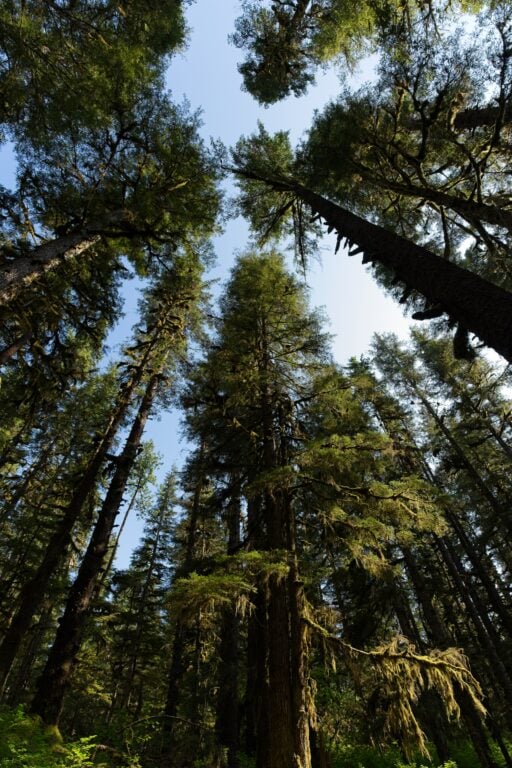
Pacific Northwest (Washington, Oregon): Summer (July–August) gives you the best weather and snow-free high-altitude trails. Expect rain in spring and fall.
Rocky Mountains (Colorado, Wyoming, Montana): Late June through September, once snow clears from high passes. Late September brings fall color to lower elevations.
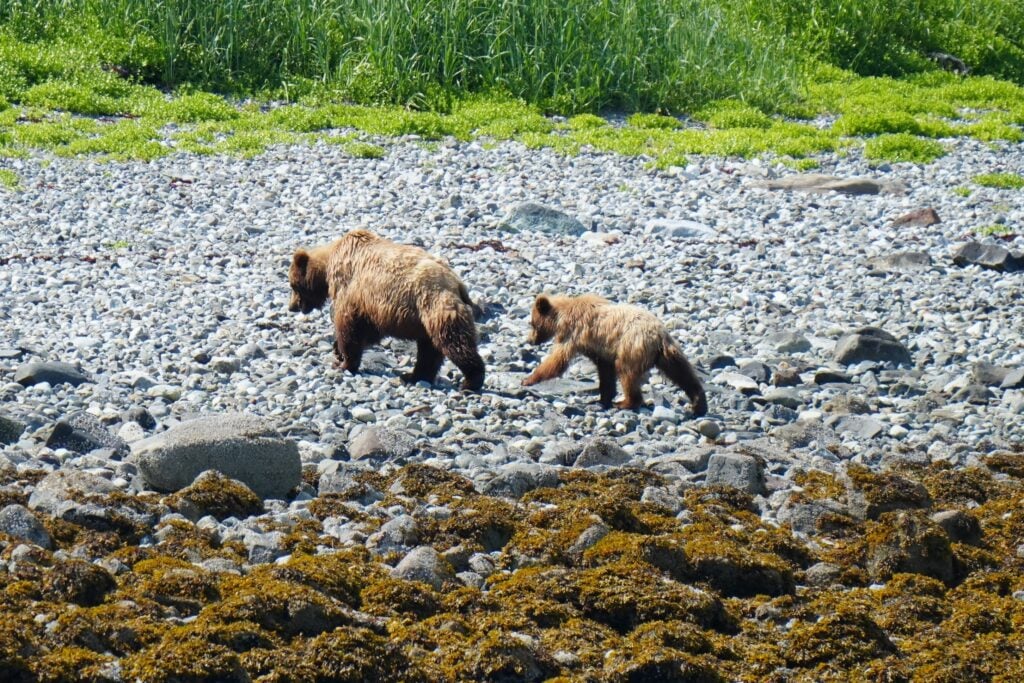
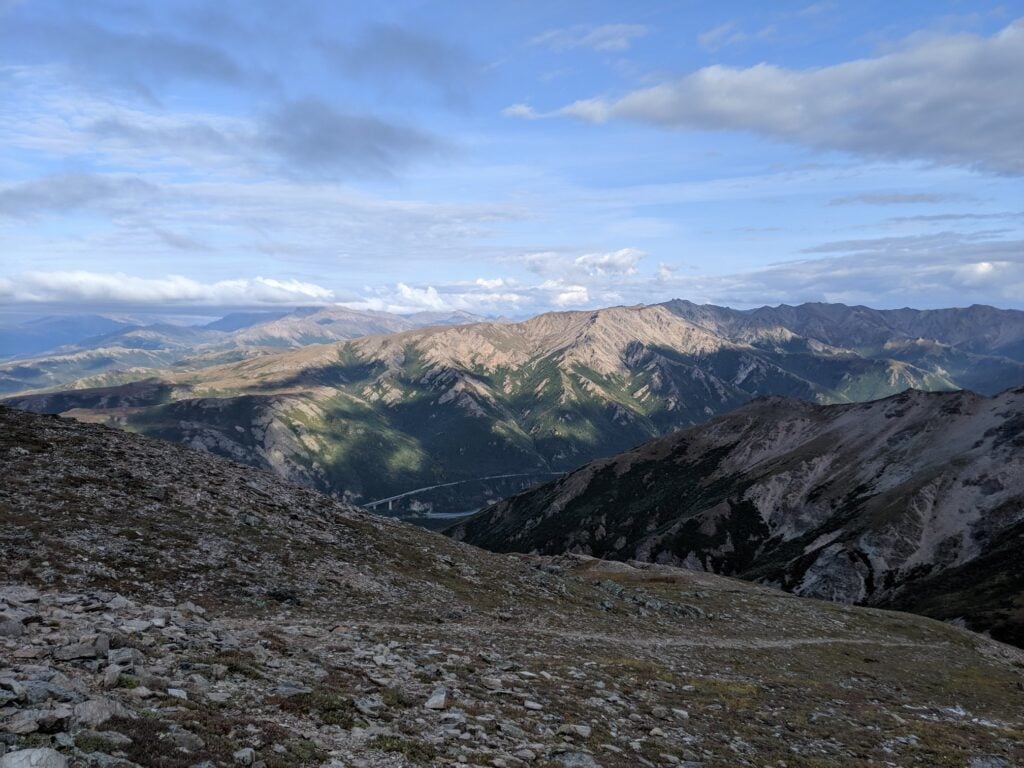
Alaska: Mid-June through mid-August, when days are long and wildlife is most active.
Southeast (Florida, Carolinas, Tennessee): Spring and fall for hiking; winter is surprisingly pleasant in parks like Everglades and Biscayne, which are punishing in summer heat and humidity.
Hawaii: Year-round, though trails on the Big Island can close after heavy rain. January through March sees more rainfall on the windward sides of the islands.
All 63 US National Parks: Our Progress Tracker
| State | Park | Visited? |
|---|---|---|
| Alaska | ||
| Denali | ✅ | |
| Glacier Bay | ✅ | |
| Gates of the Artic | ❌ | |
| Katmai | ❌ | |
| Kenai Fjords | ❌ | |
| Kobuk Valley | ❌ | |
| Lake Clark | ✅ | |
| Wrangell–St. Elias | ✅ | |
| Arizona | ||
| Grand Canyon | ✅ | |
| Saguaro | ✅ | |
| Petrified Forest | ✅ | |
| Arkansas | ||
| Hot Springs | ✅ | |
| California | ||
| Channel Islands | ✅ | |
| Death Valley | ✅ | |
| Joshua Tree | ✅ | |
| Kings Canyon | ✅ | |
| Lassen Volcanic | ✅ | |
| Pinnacles | ✅ | |
| Redwood | ✅ | |
| Sequoia | ✅ | |
| Yosemite | ✅ | |
| Colorado | ||
| Colorado | Black Canyon of the Gunnison | ✅ |
| Great Sand Dunes | ✅ | |
| Mesa Verde | ✅ | |
| Rocky Mountain | ✅ | |
| Florida | ||
| Biscayne | ✅ | |
| Dry Tortugas | ✅ | |
| Everglades | ✅ | |
| Hawaii | ||
| Haleakalā | ✅ | |
| Hawaiʻi Volcanoes | ✅ | |
| Indiana | ||
| Indian Dunes | ✅ | |
| Kentucky | ||
| Mammoth Cave | ✅ | |
| Maine | ||
| Acadia | ✅ | |
| Michigan | ||
| Isle Royale | ✅ | |
| Minnesota | ||
| Voyageurs | ✅ | |
| Missouri | ||
| Gateway Arch | ✅ | |
| Montana | ||
| Glacier | ✅ | |
| Nevada | ||
| Great Basin | ✅ | |
| New Mexico | ||
| Carlsbad Caverns | ✅ | |
| White Sands | ✅ | |
| North Dakota | ||
| Theodore Roosevelt | ✅ | |
| Ohio | ||
| Cuyahoga Valley | ✅ | |
| Oregon | ||
| Crater Lake | ✅ | |
| South Carolina | ||
| Congaree | ✅ | |
| South Dakota | ||
| Badlands | ✅ | |
| Wind Cave | ✅ | |
| Tennessee / NC | ||
| Great Smoky Mountains | ✅ | |
| Texas | ||
| Big Bend | ✅ | |
| Guadalupe Mountains | ✅ | |
| US territories | ||
| American Samoa | ❌ | |
| Virgin Islands | ❌ | |
| Utah | ||
| Arches | ✅ | |
| Bryce Canyon | ✅ | |
| Canyonlands | ✅ | |
| Capitol Reef | ✅ | |
| Zion | ✅ | |
| Virgina | ||
| Shenandoah | ✅ | |
| Washington | ||
| Mount Rainier | ✅ | |
| North Cascades | ✅ | |
| Olympic | ✅ |
How to Plan a National Parks Road Trip
Cluster Geographically
The most efficient clusters for road tripping:
Utah's Mighty Five: Arches, Canyonlands, Capitol Reef, Bryce Canyon, and Zion. All five in roughly 10–14 days, doable in a loop from Salt Lake City or Las Vegas.
Alaska cluster: Denali, Kenai Fjords, Wrangell-St. Elias, Glacier Bay, Katmai, and Lake Clark are all within a dedicated Alaska trip. Add Gates of the Arctic and Kobuk Valley if you're going remote.
California cluster: Yosemite, Sequoia, Kings Canyon, Death Valley, and Joshua Tree can be connected in a two-week loop from Los Angeles or San Francisco. Add Pinnacles and Channel Islands if time allows.
Pacific Northwest cluster: Olympic, Mount Rainier, North Cascades, and Crater Lake pair well together. Include the Columbia River Gorge between stops.
Rocky Mountain cluster: Rocky Mountain (Colorado), Grand Teton (Wyoming), Yellowstone (Wyoming), Glacier (Montana), and Theodore Roosevelt (North Dakota) make a classic mountain West loop.
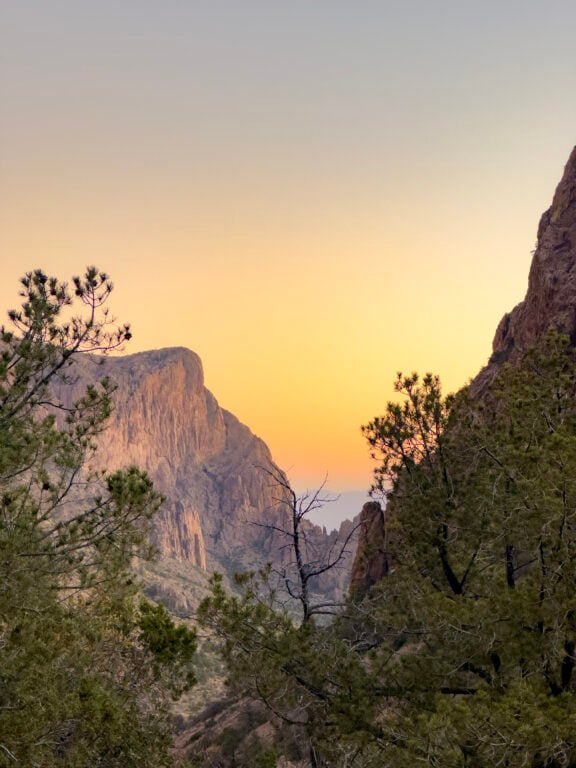
Texas and Southwest: Big Bend, Guadalupe Mountains, White Sands, Carlsbad Caverns, and Saguaro can be connected in a week-plus road trip through the desert Southwest.
Van Life vs. Hotels vs. Camping
Camping inside the park gives you the most enriched experience in allowing you to view the park in all different lights. The trade-off: competition for sites is fierce at popular parks, and you need to book months ahead. Use recreation.gov for park-managed campgrounds.
Van or overlanding setups work well for parks where dispersed camping on adjacent Bureau of Land Management (BLM) land is possible (common throughout the West). You gain flexibility at the cost of amenities. Many national park gateway towns have full-service campgrounds with hookups if you need them.
Hotels and lodges make sense for the Alaska parks and Hawaii parks, where driving your own vehicle isn't the main mode of transport, and for shoulder season visits where temperatures make tent camping uncomfortable. Lodges inside parks (like the El Tovar at Grand Canyon, the Old Faithful Inn at Yellowstone, or Glacier Park Lodge) are worth booking for at least one night if you can get them; they often sell out a year in advance.
Gear We Bring to the Parks
Every park demands something slightly different, but this is what stays in the pack across all of them.
Hiking boots with ankle support. Trail surfaces vary wildly between parks — loose slickrock in Utah, wet roots in the Smokies, volcanic rock in Hawaii. A solid mid-cut boot handles all of it.
A quality daypack (25–35L). Big enough for water, layers, snacks, and a camera, small enough to not be a burden on short day hikes.
A reusable water bottle (and water filter). Most parks have water fill stations at visitor centers. A lightweight filter like the Sawyer Squeeze means you can top up from streams on longer hikes without carrying two liters from the trailhead.
Layers, always. Temperature swings between morning and afternoon in mountain parks can be 30+ degrees. A packable down jacket takes almost no space and has saved every single one of our park mornings.
A headlamp. Even when not camping, we're a big fan of sunrise hikes so this comes in handy all the time.
Our Favorite (and Least Favorite) Parks
Not to bring too much negativity into the national parks conversation, but realistically, not everything can be the Grand Canyon. If you're prioritizing which parks to visit (especially if visiting from another country with limited time in the U.S.), we'd recommend focusing on the American Southwest parks, which are unlike anywhere else in the world. Visiting the Utah "Mighty Five" as mentioned above is great starting point as they can be easily clustered together.
In the eastern part of the country, Chris loves New River Gorge and Acadia, which happen to be just about over an hour apart from one another.
The Alaskan parks are also stunning and full of wildlife - at least one of these should make it onto your bucket list at some point.
Now onto the...less interesting. Gateway Arch National Park is literally just the arch in St. Louis, Missouri - a giant, man-made structure. The arch was created to commemorate America's history of westward expanstion, and the site was designated a national park in 2018. This is completely distinct from any other national park, which have always been designated to protect and enjoy the natural beauty of the country.
A couple of other parks that might be worth the visit if you happen to be in the area (but we wouldn't go out of our way for) are Indiana Dunes in Indiana and Hot Springs in Arkansas. Both are fairly small and there's not much to see in the park itself.
Tip: While we wouldn't suggest a trip to Hot Springs, Arkansas just for the national park, it's a great town to visit on a family vacation. The science museum is absolutely amazing for kids, and the botanical gardens are beautiful and well-worth the visit.
US National Parks FAQ
How many national parks are there in the US?
There are 63 designated national parks in the United States, managed by the National Park Service. This is separate from the broader National Park System, which includes over 430 units such as national monuments, seashores, historic sites, and recreation areas.
What is the best order to visit the national parks?
The most practical approach is geographic clustering rather than any particular order. Start with the region closest to you, work through the parks in a logical loop, and plan Alaska and Hawaii as dedicated trips.
Is the America the Beautiful Pass worth it?
Yes, if you're a US citizen visiting three or more fee-charging parks in a 12-month period. At $80, it usually pays for itself after three park visits (unless you happen to be visiting only the $20 parks). Senior passes (for US residents 62+) are an even better deal at $80 for a lifetime pass.
What is the least visited national park?
Gates of the Arctic in Alaska consistently ranks as the least visited national park, seeing fewer than 15,000 visitors per year. There are no roads, no trails, and no visitor facilities; access is by small plane only. Kobuk Valley is similarly remote.
Can you visit multiple national parks in one trip?
Absolutely, and it's the most efficient way to approach them if you have a couple of weeks to spare on a road trip. Utah's Mighty Five (Arches, Canyonlands, Capitol Reef, Bryce Canyon, Zion) are a classic multi-park road trip that most people cover in 10-14 days. The Pacific Coast parks of California cluster well together too.
What national park has the best hiking?
This is of course subjective, but if forced to name standouts: Zion (sheer drama per mile), Olympic (diversity of terrain), Rocky Mountain (altitude and views), and Denali (for those willing to go off-trail into true wilderness) are consistently excellent. Big Bend is the answer for people who want real solitude.
Follow Our US National Park Journey
We've currently visit 57 parks; only 6 to go. We're working on documenting every one of them: individual itineraries, trail guides, honest reviews, wildlife photography, and the practical details that make the difference between a good park visit and a great one.
Use the tracker table above to explore the parks we've already covered, and check back we add more to the list.