

Koh Samui and Phuket are Thailand’s two biggest resort islands, and they are located on opposite coasts with almost opposite wet seasons.
I’ve been to Thailand five times now, and both islands have been part of almost every trip. I’ll be straight with you about how: I’ve used them as gateways to explore Southern Thailand rather than as long holidays to laze by the pool. My trips to Thailand have mostly been adventures in Koh Tao, Krabi, and the north, which means I’ve flown into Phuket repeatedly, visited the Phuket to Krabi route several times, and taken the Lomprayah boats through Samui’s waters more often than I can count.
But don’t let that discourage you from reading this guide. Every other comparison guide online argues about which beach is prettier and skips the three things that you probably would like to know before you decide between Koh Samui or Phuket, ie when you’re going, what it costs to get there, and what each island puts within reach once you arrive.
Koh Samui or Phuket? The short answer
If you want the easiest trip to organize, the cheapest flights, and the most day trips within reach, pick Phuket. If you want a calmer island with no high-rises and better weather between May and September, pick Koh Samui.
Yeah, that's definitely oversimplifying it, which if why I've written a longer answer to the question below.

Choose Phuket if
- You're traveling between November and April - this is when the Andaman coast is at its best.
- You're flying in from overseas and want a direct flight or a cheap low-cost connection.
- You want Krabi, Railay, Phi Phi, and Khao Sok all within a day's travel.
- You're a diver, climber, or island-hopper who wants options every single day.
- You're traveling with kids and want waterparks, aquariums, and rainy-day backups.
- You're on a budget - Phuket is cheaper to reach and cheaper to move around.
Choose Koh Samui if
- You're traveling between May and September, when Phuket is getting smashed by the southwest monsoon.
- You want a quieter island
- Koh Tao or Koh Phangan is already on your list. Samui is the doorstep to both!
- You'd rather have one good beach and a slow week than 30 beaches and a schedule of islands to visit.
Koh Samui vs Phuket at a glance
| Comparison | Koh Samui | Phuket |
|---|---|---|
| Coast | Gulf of Thailand (east) | Andaman Sea (west) |
| Size | 229 km2 (88 sq mi) | 540 km2 (208 sq mi) |
| Best months | Dec to Sep, best Jul to Sep | Nov to Apr |
| Wettest month | November | September |
| Airport | Small, regional, one main airline | Large, international, every budget carrier |
| Flight cost from Bangkok | 3,000 to 8,000 THB one way | 800 to 2,500 THB one way |
| Getting around | Taxis and scooters, no public bus | Smart Bus, Grab, motorbike taxis, scooters |
| Skyline | No skyline | High-rises on the west coast |
| Nightlife | Chaweng, and the Full Moon Party next door | Bangla Road, on another level entirely |
| Best for | Slow weeks, couples, Gulf island hopping | First-timers, families, day trips, divers |
| Gateway to | Koh Tao, Koh Phangan, Ang Thong | Krabi, Railay, Phi Phi, Khao Sok, the Similans |
Your travel dates are the most important question
As I mentioned in the intro, the two islands sit on opposite sides of the peninsula, which means they get their rain at opposite times of year.
Plan this wrong and no matter how pretty the beach is - you'll want to get the seasons right.
Phuket's wet season is between May to October
Phuket sits on the Andaman coast and takes the full southwest monsoon. Rain builds through May, and September and October are the wettest months of the year. The sea gets rough enough that red flags go up on the west coast beaches, and some of the day-trip boats stop running.
Phuket's time to visit window is November to April. That's when the water clears up, the Phi Phi and Similan boats run properly, and you get the sunsets the west coast is known for.
Koh Samui's wet season runs between October and December
Samui sits in the Gulf and misses the southwest monsoon almost entirely. It gets its rain later, from October, and November is comfortably the wettest month. December can still be patchy.
Between May and September, when the Andaman coast is wet, Samui is having some of its best weather of the year. If you're locked into a July or August trip, then hey, your decision is already pretty darn clear.
Which island to pick for your month
| Month | Pick | Why |
|---|---|---|
| January to March | Either, slight edge to Phuket | Peak dry season on both coasts. Phuket has more to do. |
| April | Phuket | Still dry on the Andaman, hot everywhere, Songkran mid-month. |
| May to June | Koh Samui | Phuket's monsoon is building. Samui is drying out. |
| July to August | Koh Samui | The clearest case in the calendar. Samui is at its best, Phuket is wet. |
| September | Koh Samui | Phuket's wettest month by a wide margin. Avoid it. |
| October | Toss-up, and a bad month for both | Phuket is still wet, Samui is starting. Consider Krabi or the north instead. |
| November | Phuket | Andaman is clearing. Samui's wettest month. Straightforward call. |
| December | Phuket | Phuket is in its window. Samui can still get rain early in the month. |
Getting there and costs
Hotel and food prices on the two islands are almost identical. You'll get the same offerings at very comparable prices. However, there is a cost that likely will make a difference, and that's flights.
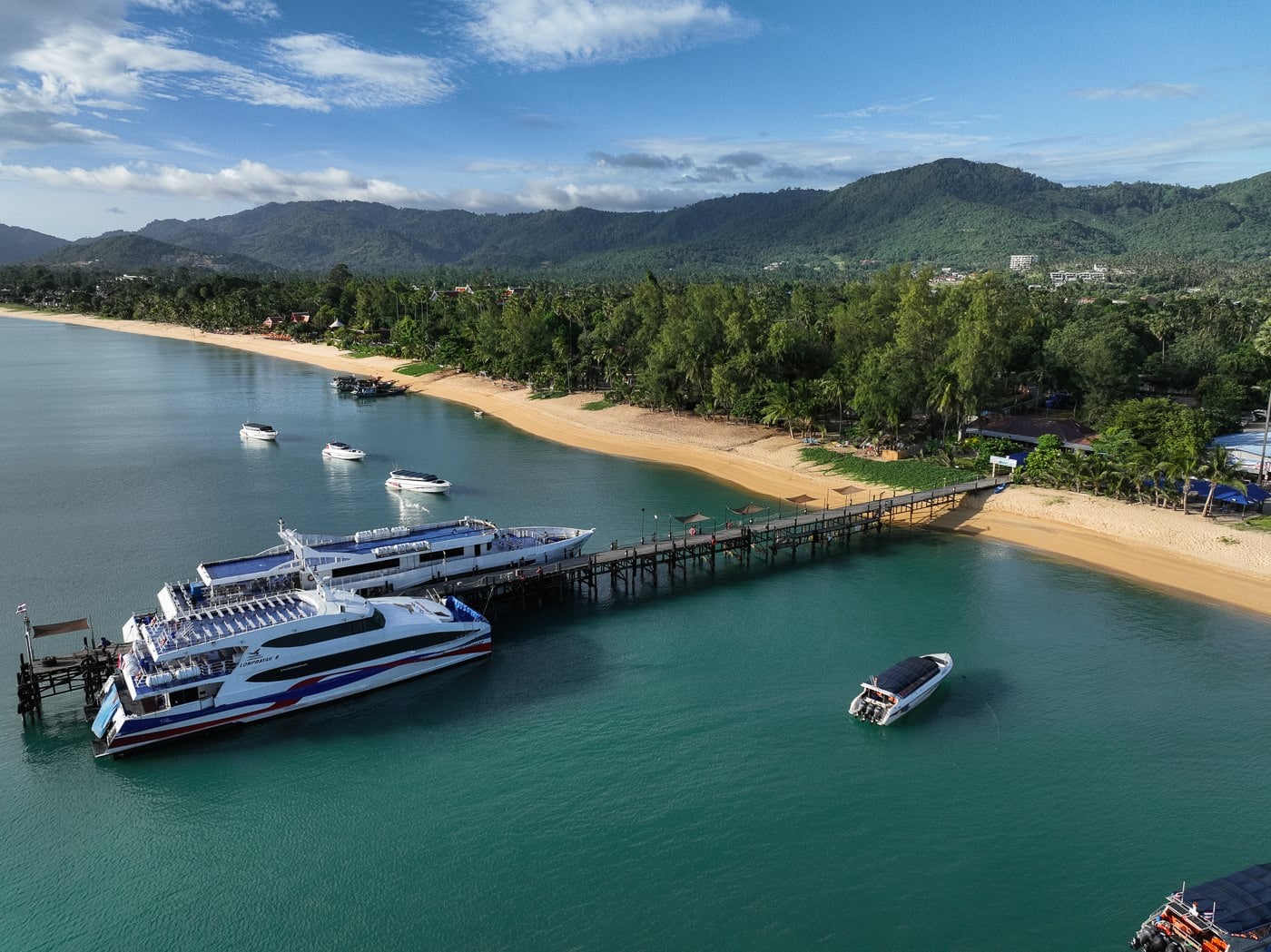
Why flights to Koh Samui cost so much
Samui's airport is privately owned and Bangkok Airways has effectively had the route to itself for years. There's no AirAsia price competition to lower prices. A one-way Bangkok to Samui flight typically runs 3,000 to 8,000 THB (roughly US$85 to US$225) depending on the season and far in advance you are booking.
Still not too bad - but an extra cost (and travel time), you'll need to account for.
The flight takes about 65 minutes and arrives at what I think is the nicest small airport in Thailand.
The Surat Thani workaround
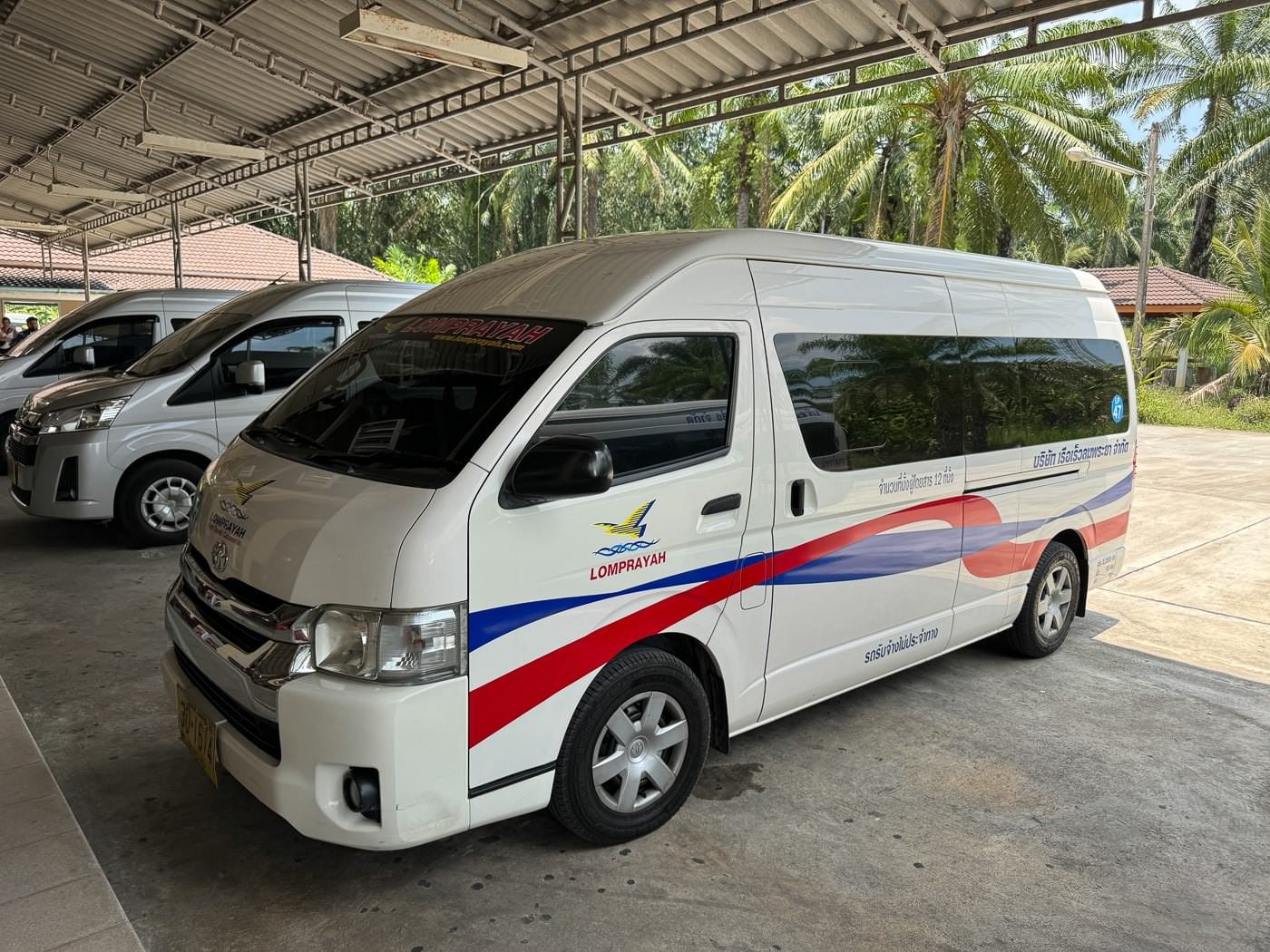
Fly a low-cost carrier into Surat Thani on the mainland instead. AirAsia, Nok Air, Thai Lion, and Thai VietJet all run the route from Bangkok, usually for 800 to 2,000 THB (about US$22 to US$56). From the airport, a combined bus and ferry ticket to Samui costs another 300 to 500 THB and takes three to four hours door to door.
You're trading a couple of hours for a saving that often runs to US$100 or more for two people. I've taken the equivalent bus and boat combo through to Koh Tao many times, and the buses are air-conditioned and fine. THat said like all van trips in Thailand leg room gets tight when the van fills up, and there's a stop at a food court in Phang Nga where a plate of rice and curry costs 80 THB.
Flying into Phuket
Phuket International is a different category of airport. It takes direct flights from across Asia, the Middle East, Europe, and Australia, plus every budget carrier flying domestically. Bangkok to Phuket regularly goes for under 1,500 THB if you book ahead.
This is why Phuket is my chosen entry point for southern Thailand even when I'm not staying there. Flying into Phuket is usually much cheaper than flying directly into Krabi, and from the airport you can be on a boat or in a minivan heading almost anywhere on the Andaman coast the same day.
Worth knowing: Phuket airport sits in the north of the island and most beaches are in the south. Budget an hour to Patong and closer to 75 minutes to Kata or Karon. Book a Grab rather than taking an airport taxi and you'll save a decent chunk.

The beaches, compared
Beaches are where most Koh Samui or Phuket arguments start. Phuket wins on variety and water clarity in the dry season. It has around 30 beaches, from the chaos of Patong through to quiet stretches like Nai Harn and Kata Noi, and the west-facing coast gives you sunsets that Samui structurally cannot match.
Samui is the pick for consistency and calm. The building height limit tied to the coconut trees means you're looking at palms rather than condo towers, and the Gulf water is generally flatter than the Andaman. Chaweng is the long busy one, Lamai is the slightly cheaper alternative, and Bophut and Maenam in the north are where I'd stay for a quiet week.
The honest trade-off though is that Phuket's beaches are better when you catch them right and noticeably worse when you don't. Samui's are more reliable across more of the year.
One thing worth knowing about Samui's east coast you should know as well.. At low tide in parts of Chaweng and Lamai the water stays shallow a long way out, which is great with kids and frustrating if you wanted to swim laps.

Costs compared
These are current ranges as of this year for two people traveling mid-range, excluding international flights. Obviously you'll want to treat them as planning numbers because you can easily travel for less or significantly more.
| Cost (7 nights, 2 people) | Koh Samui | Phuket |
|---|---|---|
| Getting there from Bangkok | US$170 to US$450 flying direct, or US$60 to US$110 via Surat Thani | US$45 to US$140 |
| Mid-range hotel | US$60 to US$110 per night | US$50 to US$100 per night |
| Scooter rental | 250 to 350 THB per day | 200 to 300 THB per day |
| Getting around without a scooter | Expensive. Taxis often 400 to 600 THB for short hops | Cheap. Smart Bus 100 THB, Grab widely available |
| Meals | 60 to 120 THB street, 300 to 600 THB restaurant | Same, with more cheap options |
The line that surprises people is transport on the island. Samui has no public bus network and no motorbike taxis, so if you don't ride a scooter you're taking car taxis at fixed, negotiated prices that add up fast over a week. Phuket has the Smart Bus running the west coast for 100 THB a trip, plus Grab, plus motorbike taxis.
Budget an extra US$100 to US$150 for a week of taxis on Samui if you're not comfortable renting a scooter.
Which island suits your trip
First time in Thailand
Phuket, in the dry season. Everything is easier: the flights, the transfers, the English, the day trips, the backup plan when it rains. It's also the better base if you want to see more of the country than one island, which most first-timers end up wanting. Our guide to planning a first trip to Thailand walks through how to slot it into a wider route.
Adventure travelers, divers, and hikers
Phuket between November and May, and it's a clear win. The Similan Islands liveaboards run out of Khao Lak just north of Phuket, the limestone climbing at Railay is a couple of hours away, and Khao Sok's jungle and lake are an easy overnight.
Samui's counter-argument is Koh Tao, which is the cheapest place in the world to learn to dive and where I've spent more time than anywhere else in Thailand. If diving is the point of your trip, Samui is the smarter gateway.

Couples and honeymooners
Samui. The height limit keeps the resorts low and spread out, the north coast around Bophut and Choeng Mon is quiet, and the island has a concentration of high-end villas that punch above its size. Phuket has the same category of resort, and it also has Bangla Road, which is a factor if your hotel is anywhere near Patong.
Families with kids
Phuket. More organized things to do when the beach gets old: waterparks, an aquarium, go-karting, zip lines, and rainy-day options that Samui doesn't have in the same volume. Both islands have an ethical elephant sanctuary worth building a morning around, and we've covered how to choose one that treats its elephants properly.
Stay in Kata or Karon rather than Patong if you're bringing kids.
Backpackers and solo travelers
Phuket if you're moving fast and want cheap onward transport in every direction. Samui if you're heading into the Gulf islands, since you'll pass through anyway and Koh Phangan is a 30-minute boat away.
Honestly, most backpackers treat both islands as transit and spend their nights on Koh Tao or Koh Phangan instead. That's a reasonable plan.
Nightlife
Phuket. Bangla Road in Patong is the biggest party strip in southern Thailand and there's no equivalent on Samui. Chaweng has bars and clubs and they're fine, but the scale is different.
The exception is the Full Moon Party, which is on Koh Phangan next door to Samui. If that's on your list, Samui is the natural base.
What each island connects to
This is the part I'd weigh most heavily, and almost nobody covers it. You're rarely picking an island for its own sake. You're picking a base for a week or two of travel, and the two islands open completely different maps.
From Koh Samui: Koh Tao, Koh Phangan, and Ang Thong
Samui is the hub of the Gulf islands. Koh Phangan is 30 minutes by boat and Koh Tao is about 90 minutes further on the Lomprayah catamaran, which makes a Samui arrival the cleanest way to string all three together.
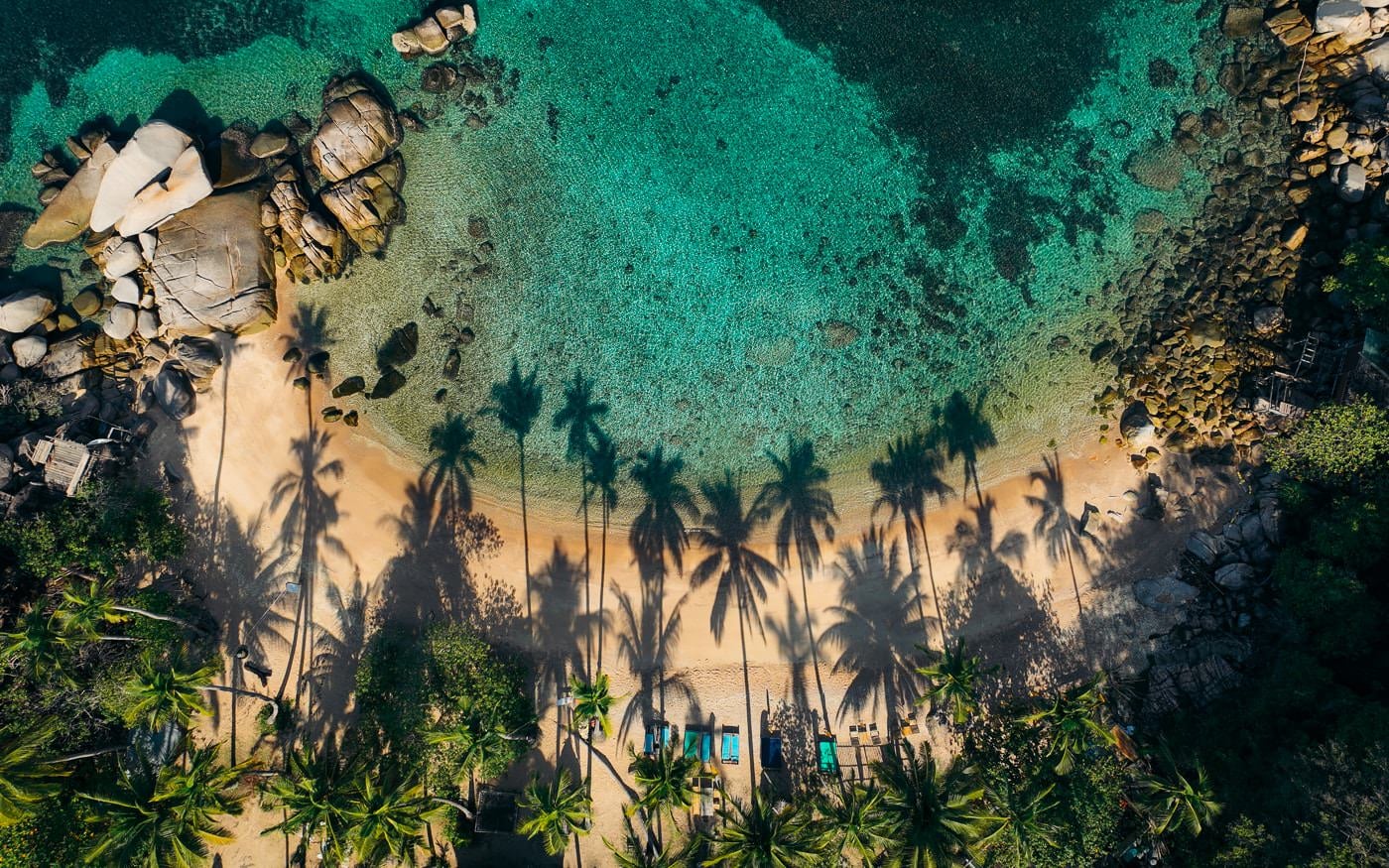
Koh Tao is where I keep going back. It's the cheapest place in the world to get your open water certification, the snorkeling is good enough that you don't need a boat, and there are jungle trails and viewpoints across the island. Start with how to get to Koh Tao and our list of things to do on Koh Tao if you're building a Gulf itinerary.
Ang Thong Marine Park is the standard day trip out of Samui: 42 limestone islands, a viewpoint climb, and a green inland lake. Boats run most of the year and are weather-dependent in November.
From Phuket: Krabi, Railay, Phi Phi, and Khao Sok
Phuket opens up the whole Andaman coast, and this is where it pulls clear. I've done the Phuket to Krabi run several times by ferry, speedboat, and minivan, and the ferry is my favorite of the three. Book it ahead in high season between November and April.
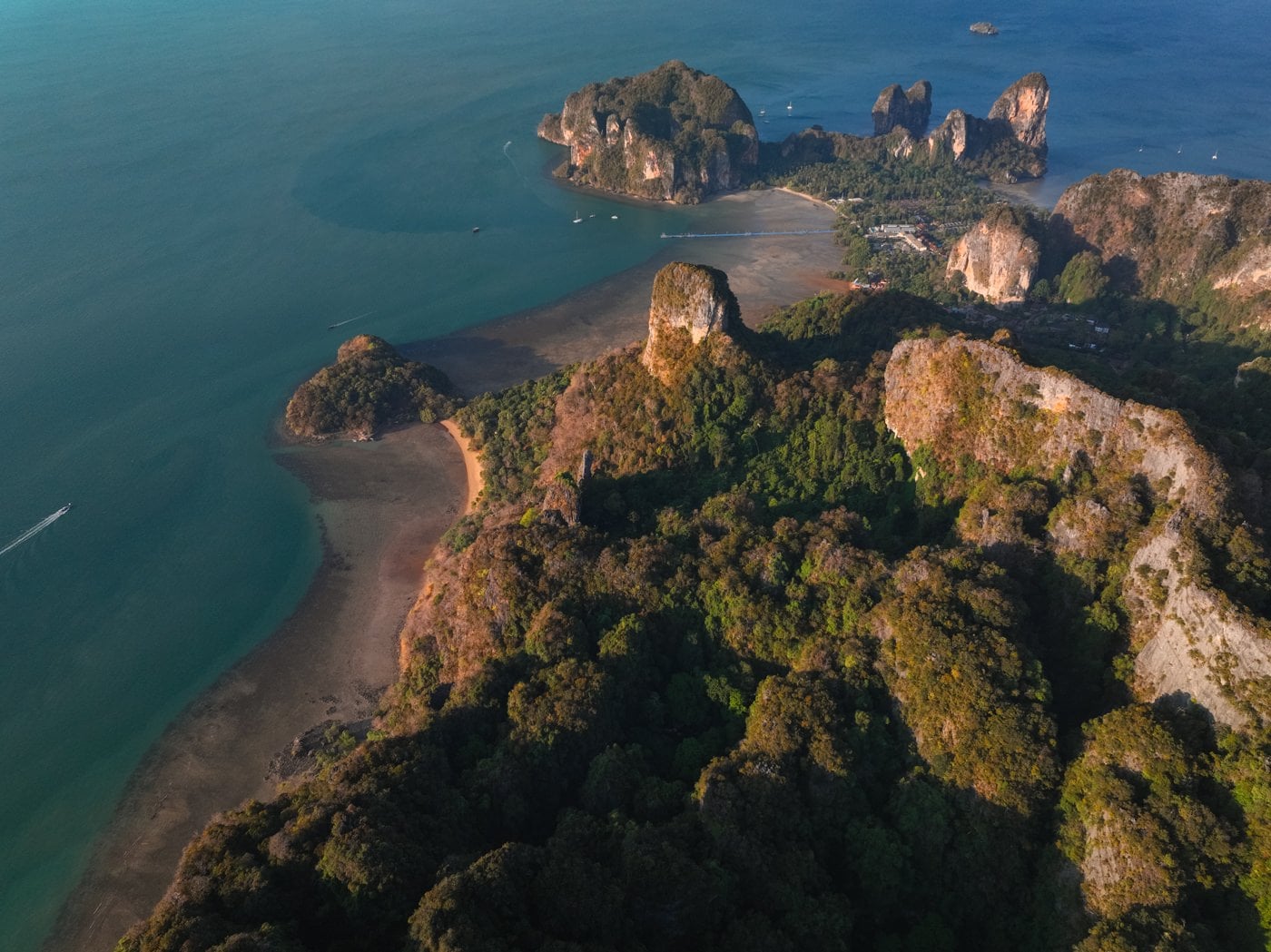
Once you're across, Railay is the one I'd prioritize. It's cut off by limestone cliffs so you can only reach it by longtail, and it has the best rock climbing in the country. Krabi itself has hot springs, the Emerald Pool, and Dragon Crest Mountain if you want a real hike.
The Phi Phi Islands are the signature day trip. I did one on my last visit and it hit the best spots, including a few small reef sharks in the shallows that I wasn't expecting. Our guide to day trips to Phi Phi from Phuket and Krabi compares the operators.
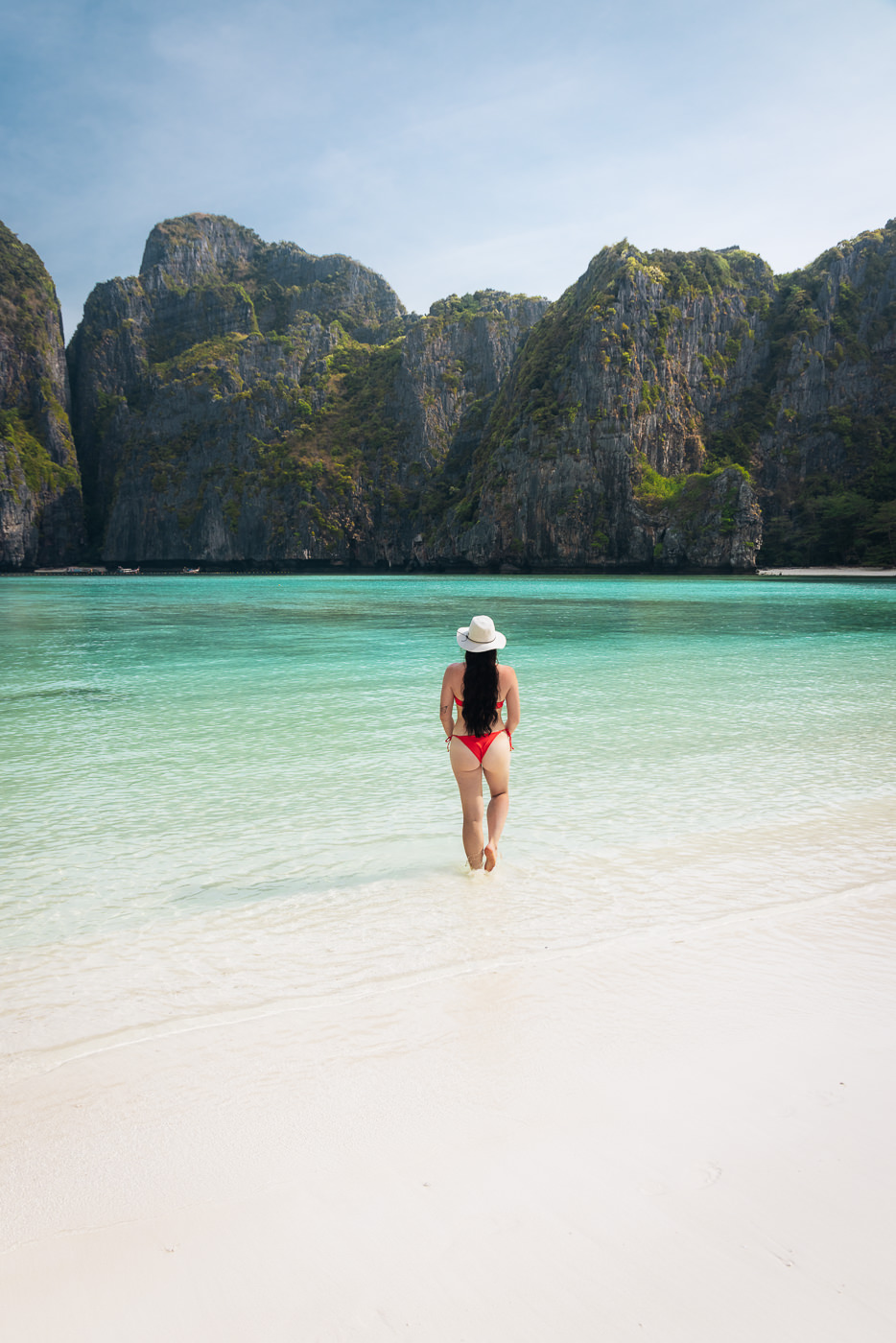
The onward-travel thing....
Work backwards from the trip you want. If your list has Koh Tao, Koh Phangan, or the Full Moon Party on it, fly to Samui and stop overthinking the beaches. If it has Railay, Phi Phi, Khao Sok, or diving the Similans, fly to Phuket.
The islands are similar enough that what surrounds them is the real difference.
Where to stay on each island
Once you have settled Koh Samui or Phuket, the area matters more than the hotel. Here's where I'd book, and what I'd book there.
Koh Samui
Stay in Bophut or Maenam for a quiet week, Chaweng if you want the bars and the longest beach, and Lamai for a middle ground that costs a bit less.
- Budget and social: Lub d Koh Samui Chaweng Beach. Beachfront, two pools, adults only, and the easiest place on the island to meet people if you're solo.
- Mid-range: Bandara Resort & Spa in Bophut. Four pools, a kids club, and a five-minute walk to Fisherman's Village.
- Families: Anantara Bophut Koh Samui Resort. Big rooms with balconies, calm water out front, 15 minutes from the airport.
- Splurge: Six Senses Samui on the northern tip, or Four Seasons Resort Koh Samui at Mae Nam if you want a private pool with every villa.
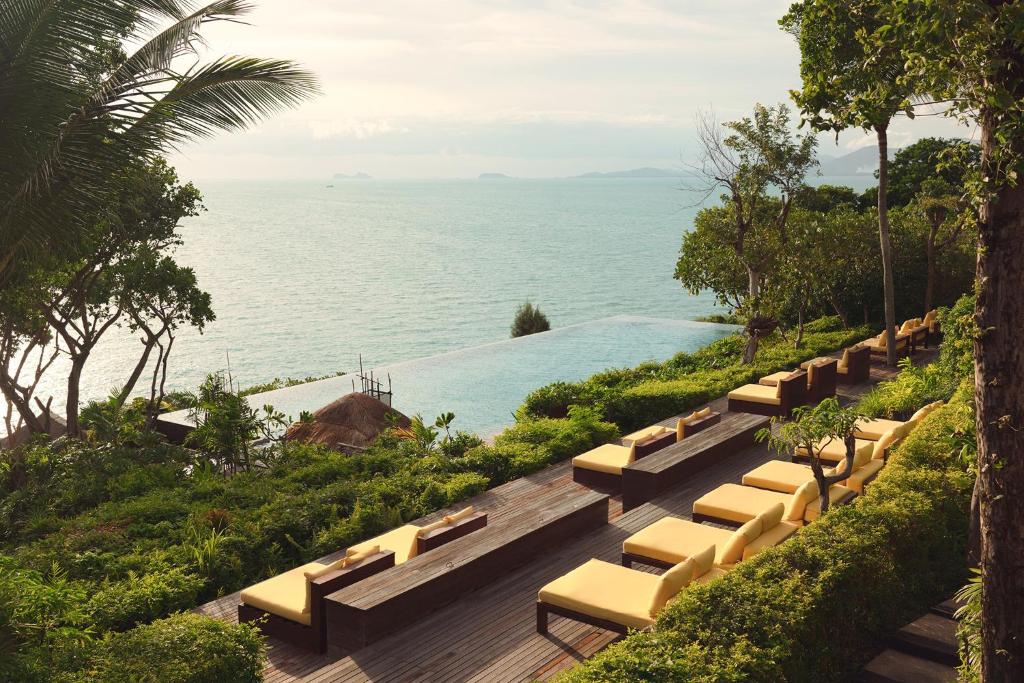
Phuket
Kata and Karon are the sweet spot for most travelers. Patong is loud and central, Kamala and Surin are quieter and pricier, and Nai Harn in the far south is the pick if you want a local feel.
- Budget and social: Lub d Phuket Patong. Pool, gym, a bouldering wall, and a short walk to Bangla if that's the plan.
- Mid-range and families: Katathani Phuket Beach Resort on Kata Noi. Six restaurants and enough pools that nobody gets bored.
- Couples: The Shore at Katathani, adults only, private pool villas on the same quiet stretch of Kata Noi.
- Splurge: Rosewood Phuket on Tri Trang Beach, or The Naka Phuket above Kamala for the hillside villa view.
If you end up crossing to the mainland, we've also mapped out where to stay in Krabi.
Can you do both in one trip?
You can, and for a two-week trip it's a good plan. The connection is the only fiddly part, since the islands sit on opposite coasts with a peninsula between them.
Two options. Bangkok Airways flies Phuket to Samui direct in about an hour, which is the easy answer and usually the expensive one. Or take a bus and ferry combo across via Surat Thani, which runs five to seven hours and costs a fraction of the flight.
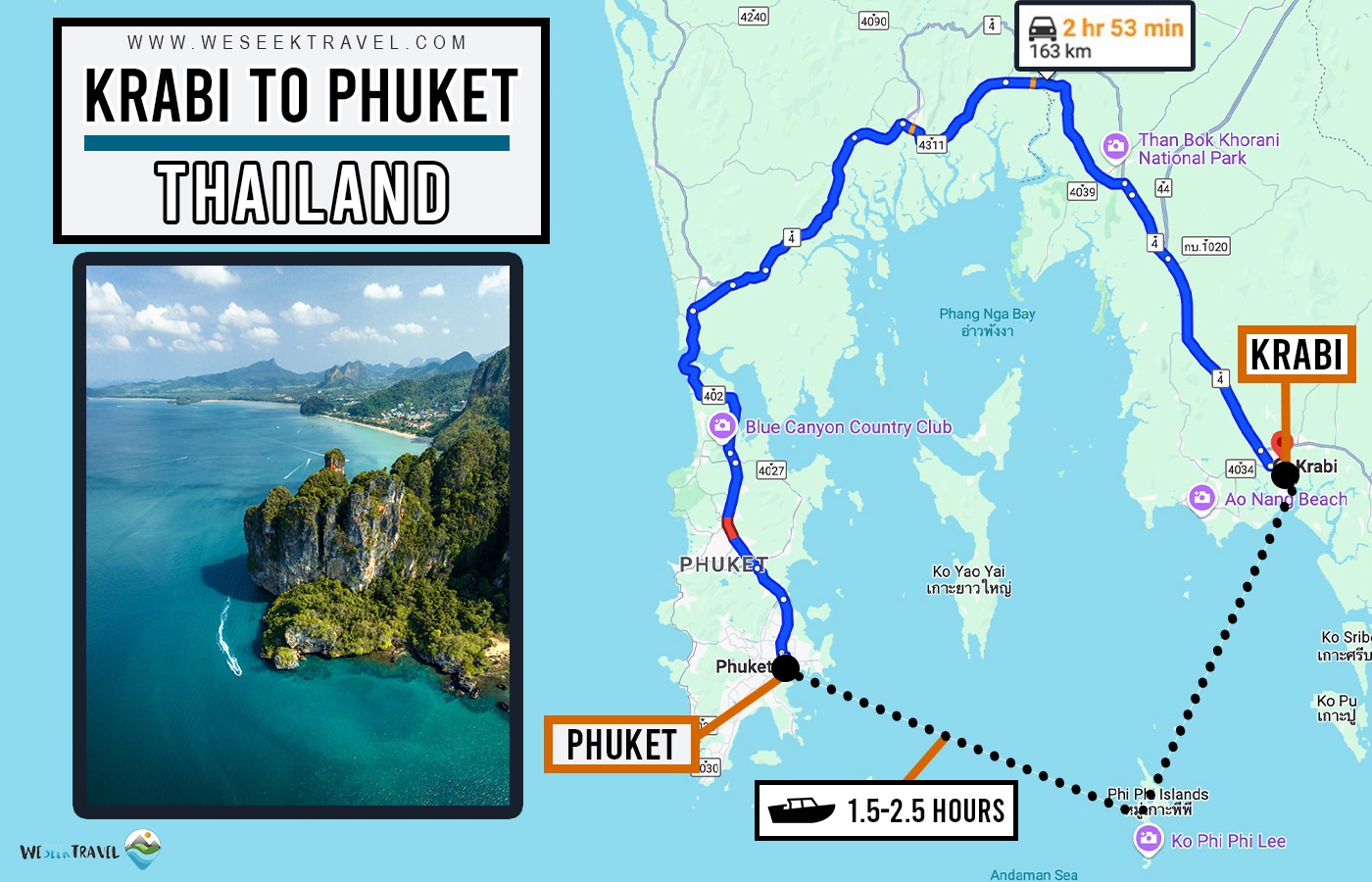
If I had 10 days, I'd skip the crossing and go deep on one coast. Phuket, Railay, and a Phi Phi day trip is a better 10 days than Phuket, a travel day, and Samui.
With 14 days I'd fly into Phuket, spend three nights there, four in Railay or Krabi, then cross to Samui and finish with four nights on Koh Tao. That gets you both coasts, both seas, and only one long travel day. Just check the month first, because the same route in September is a wet week followed by a good one.
So which one would I pick?
For most trips, Phuket. It's cheaper to reach, easier to move around, and the Andaman coast behind it is the best week of travel in southern Thailand. Across five visits it's the airport I keep flying into, even when the island itself isn't the destination.
I'd choose Samui in two situations. If I'm traveling between May and September, when the weather flips the decision entirely. And if Koh Tao is on the itinerary, which for me it usually is.
Pick your dates first, then the island, then the hotel. Do it in that order and both of these islands are a good week.