
Big Bend National Park doesn’t get nearly as much attention as say, Yellowstone, Yosemite, or the Grand Canyon, and for understandable reasons: it’s hot, remote, and it’s in Texas, a state not top of mind when it comes to beautiful landscapes and challenging hikes. But having been to Big Bend several times, I can say without a doubt it’s worth the trip. In this guide, I’ll cover who Big Bend is best suited for, what to expect, and how to get there.
Where Is Big Bend and How Do You Get There?
Big Bend is located in Southwest Texas, right along the border with Mexico. In fact, the park's southern boundary is the Rio Grande, which you can explore by kayaking or canoeing. It's several hours from any major airport, so renting a car is essential. Your two main options:
- Midland International Airport — the closest option, roughly 3–4 hours away
- El Paso International Airport — a longer drive at 5–6 hours, but may offer more flight options depending on where you're flying from
The nearest towns to Big Bend, Terlingua andStudy Butte, are small but full of character, with eclcectic dining and shops with handmade goods. This revived ghost town, formerly a booming mining area, is full of residents whom are incredibly proud of and passionate about the park. Lajitas, on the other hand, is primarily a luxury golf resort.
2026 Update: As of 2026, there is controversy over the proposal to build a border wall to run through the park. While this is currently being presented as a "smart wall" rather than a physical barrier, there is serious concern about the threat to wildlife and stargazing due to light pollution. The nearby towns surrounding Big Bend are full of signs raising awareness about this issue, and there may be peaceful protests. If this is an issue you care about and you are American, consider contacting your representatives.
What to Expect From Big Bend National Park
Unlike Utah's Zion National Park, which draws over 4 million visitors a year, Big Bend sees a fraction of that foot traffic.If you're familiar with Texas, you know that most of it is pretty flat aside from a hill here and there. As a Texan, I'll cede that driving through our state is boring much of the time.
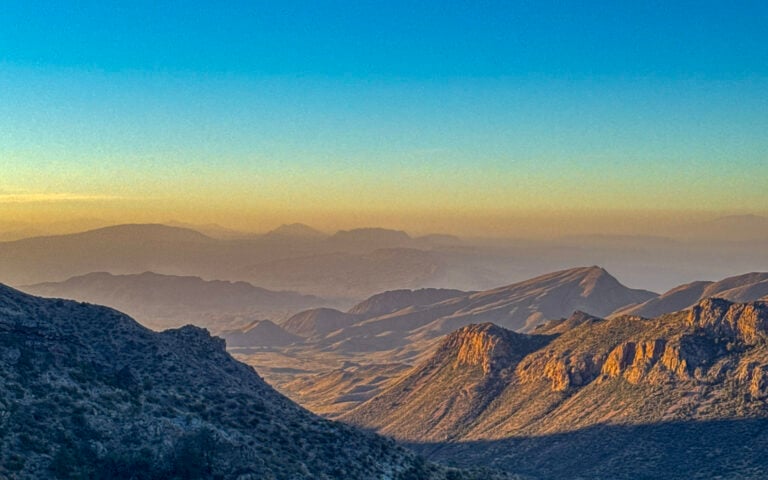
But Big Bend is nothing like the rest of Texas. My family starts our drive from North Texas, and much of the drive is nothing but grass and windmills. Once we start getting past Odessa, though, the landscape starts to change. The long, flat, dusty stretches start giving way to ocotillos and other desert plants, then small buttes that start to grow into larger and larger mesas, and finally plateaus as we near the park.
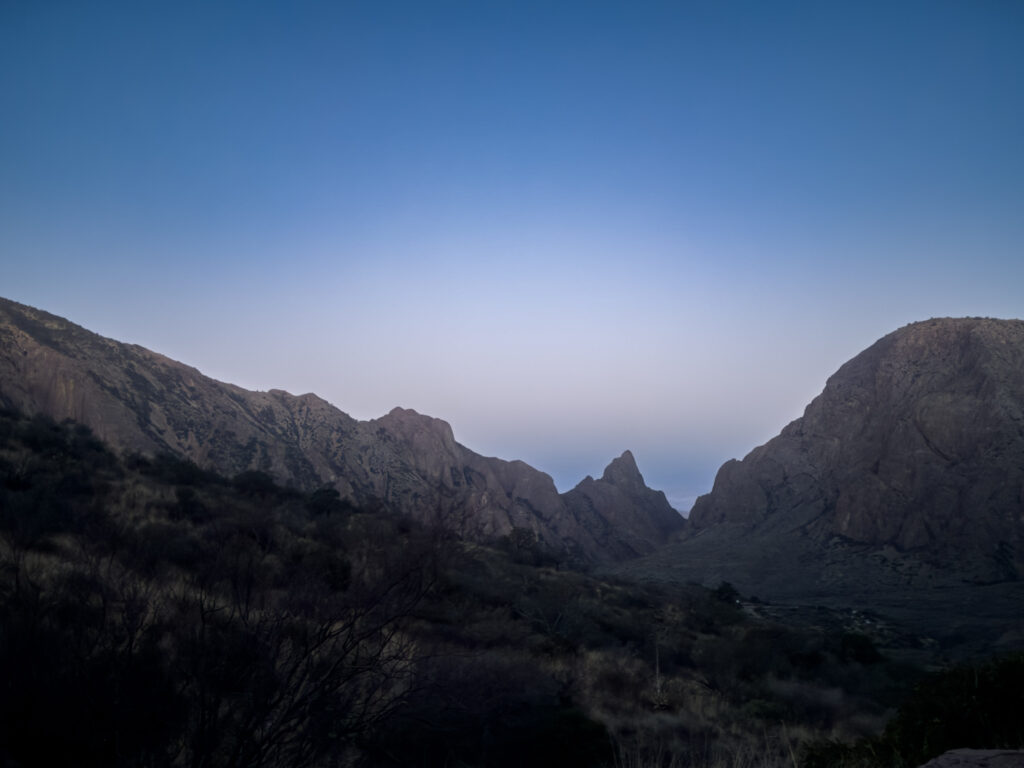
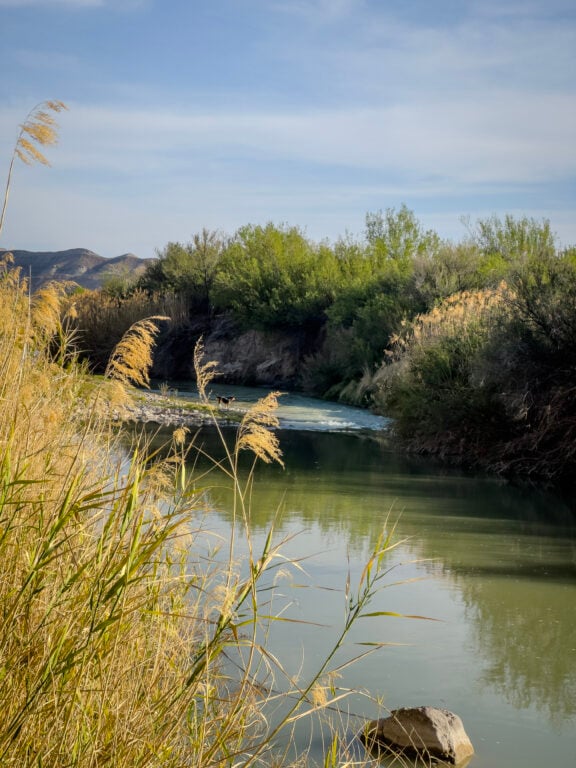
Big Bend itself is huge - it's the 14th largest of the United States' 63 national parks - and is anchored by the Chisos Mountains, which offer sweeping vistas from wide, hikable plateaus. The rich desert landscape is similar to the Grand Canyon, but more accessible, as there are less strenuous hikes here that offer amazing views, and you can drive through the basin of the park with the mountains towering above you. As you descend toward the Rio Grande, the landscape shifts dramatically, desert flora giving way to stretches of greenery along the riverbank.
Who Is Big Bend Best Suited For?
It's great for:
- Visitors who want solitude and fewer crowds than the big-name parks
- Road trippers who enjoy the drive as part of the experience
- Hikers of all levels
- Photography enthusiasts (the light and colors are exceptional)
It's not ideal for:
- First-time national park visitors expecting heavy infrastructure and amenities
- Travelers without a car or who are short on time
- Anyone sensitive to heat. (For rugged, remote beauty with a cool climate, read our Denali and Glacier Bay guides.)
- Visitors with limited mobility* (you can still enjoy the beauty of the park from the well-paved roads, but trail accessibility is overall more limited than many other US National Parks)
When is the Best Time to Visit Big Bend?
Late fall and early spring are the best times to visit with the more mild temperatures (and wildflower blooms in the spring). As you might imagine, I'd recommend avoiding summer, which brings extreme heat on the desert floor, over 100°F. Even in the spring when we recently visited, 80° started feeling quite hot in the middle of the day. As native Texans, this temperature doesn't usually phase us, but all that direct desert sunlight started getting to us at some points!
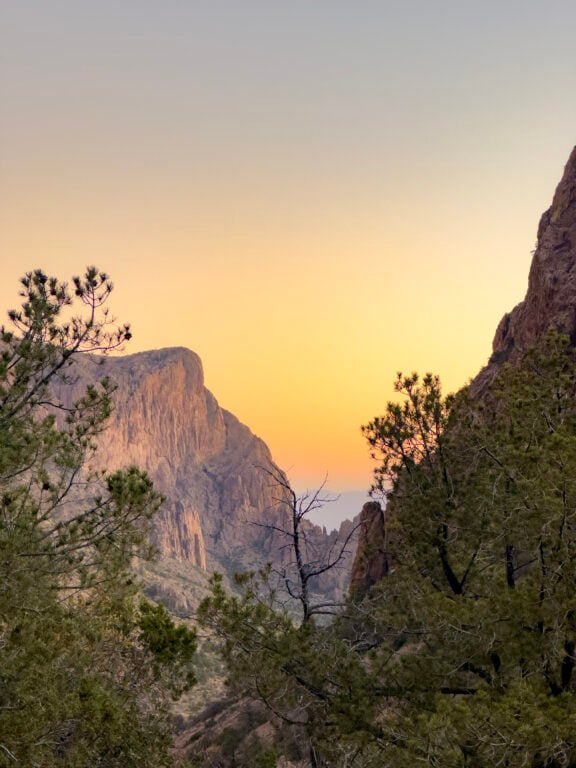
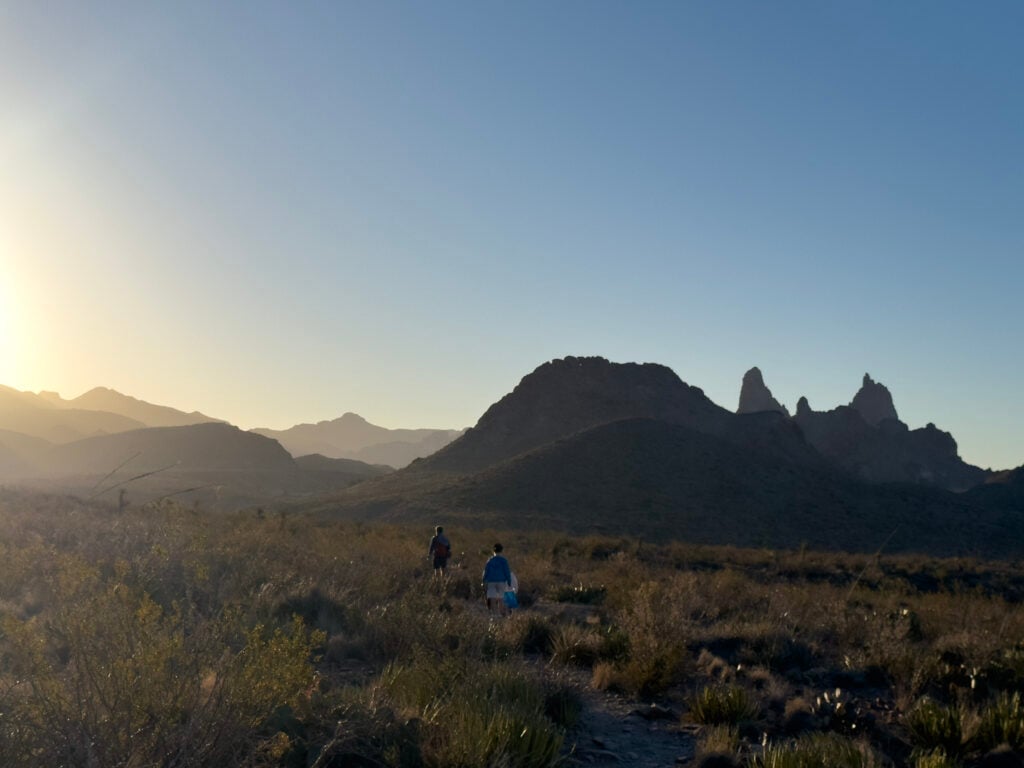
Spring is the busiest season, but even then, we went on some trails where we encountered hardly any other hikers. The biggest issue can be parking - it's pretty limited in the park. We arrived before sunrise every day so parking wasn't too big an issue, but trying to relocate our car at the visitor center in the middle of the day was chaos. (Don't try to do that!) Starting our hikes pre-sunrise gave us far and away some of the most beautiful views I've ever seen, so even if we went during the off-season, I'd recommend a very early start!
You also can't go wrong visiting in winter. While the desert of course gets pretty chilly at night, the days are gorgeous, as is the stargazing.
Things to Do in Big Bend (Beyond Hiking)
While hiking is our personal favorite family acitivity, Big Bend is far more than a hiking destination. Here are some of the other ways to experience the park:
Kayaking and Canoeing the Rio Grande
The Rio Grande forms the entire southern border of the park, and paddling it is one of the most memorable ways to experience Big Bend. The river winds through dramatic canyons (the Santa Elena, Boquillas, and Mariscal are the most popular) with towering limestone walls on either side. You can book a guided day trip or a multi-day float through a local outfitter.
Stargazing
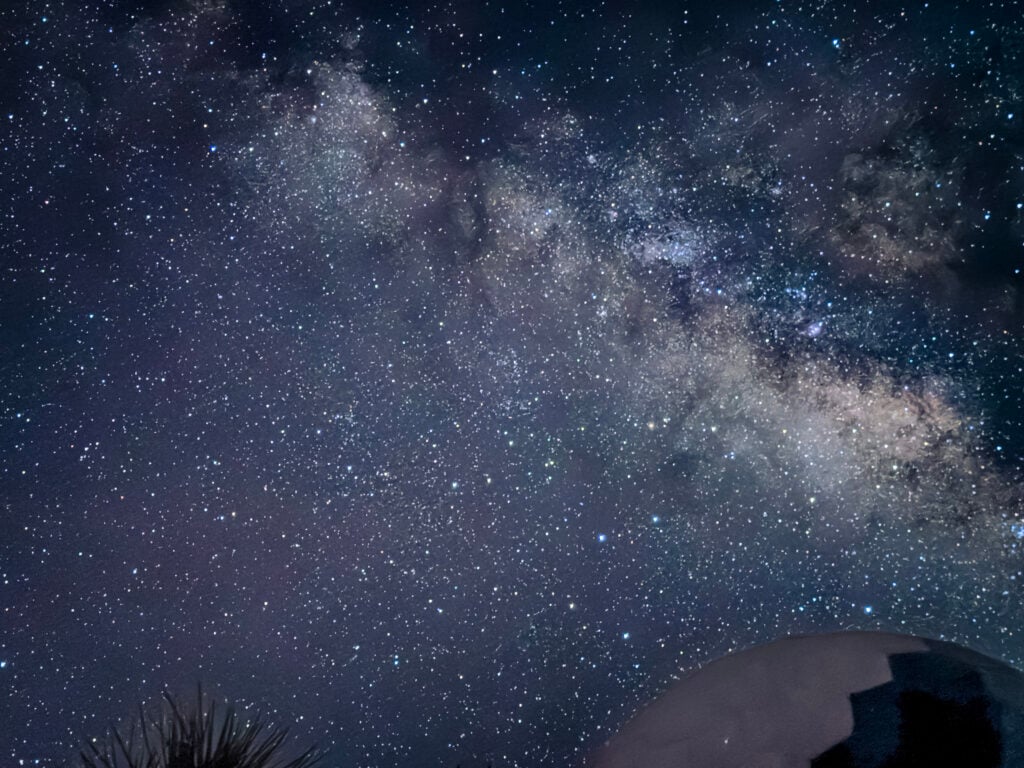
Big Bend is one of the least light-polluted places in the lower 48 states and is a certified International Dark Sky Park. On a clear night, the Milky Way is visible with the naked eye. This is one of the best stargazing destinations in the entire country, and for novice photographers, it's a great opportunity to join a photography tour.
Crossing into Boquillas, Mexico
This is one of the most unique experiences Big Bend offers. The Boquillas Port of Entry allows visitors to cross into Mexico by rowboat across the Rio Grande into the small village of Boquillas del Carmen. There you'll find local food, cold drinks, and artisan crafts. It's a rare experience unique to Big Bend compared to other national parks.
Tip: You do need to carry your passport for entry and it's recommended to bring small bills to purchase items. The port is currently open Friday through Monday, 9:00 am through 4:00 pm.
Soaking in Hot Springs
Along the Rio Grande sits a historic hot spring that consistently runs around 105°F. The trail to get there is short and easy, making it one of the most accessible highlights in the park. It's a perfect stop after a long day of hiking.
Scenic Drives
If hiking isn't your focus, Big Bend still delivers. The Ross Maxwell Scenic Drive and the Rio Grande Village Drive wind through stunning desert and river landscapes on well-paved roads. These are also the best options for visitors with limited mobility who still want to experience the park's scale and beauty.
Is Big Bend Good For Families?
If you're wondering whether Big Bend is good for kids, my take is that it's appropriate for kids most ages. We brought our 5-year-old and she rocked the Lost Mine Trail, an uphill hike that is nearly 5 miles out and back. If your kid is small enough to comfortably carry in a hiking backpack or old enough to hike a couple of miles, you're good.
I think it might be tough for 2-4 years old unless you can really comfortably carry them, since there aren't as many paved or shaded trails as some other parks, and with the limited parking, you might end up with a longer hike than planned just to get back to your car. Facilities with bathrooms are few and far between as well, so keep that in mind with littles.
Final Verdict: Is Big Bend Worth It?
It's a definitive yes in my opinion. It's gorgeous, unique, and under-appreciated. The parking may be limited, but so are the crowds. The stargazing is one of the best in the United States and that in and of itself is worth the trip to the region.
Where to Stay Near Big Bend
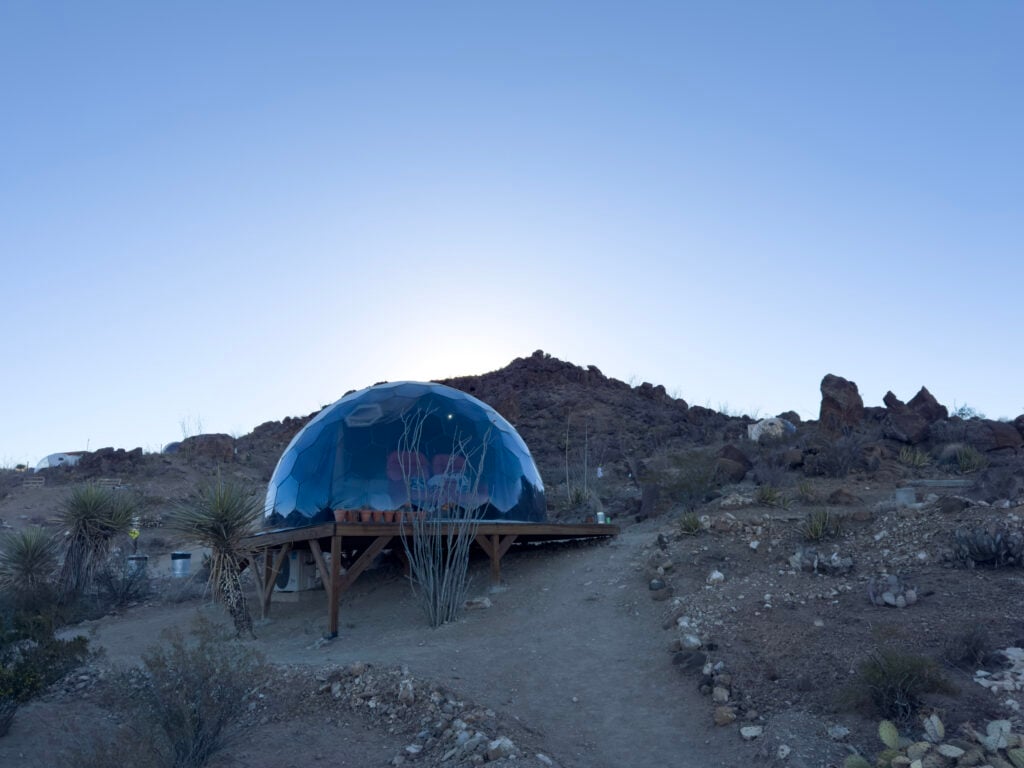
This is where we stayed on our last trip and 10/10 recommend. Think glamping meets post-apocalyptic bunker. It's kitschy, cozy, and air-conditioned. Each "pod" has a bed, mini-fridge, and little thoughtful amenities. The toilets and showers are shared.
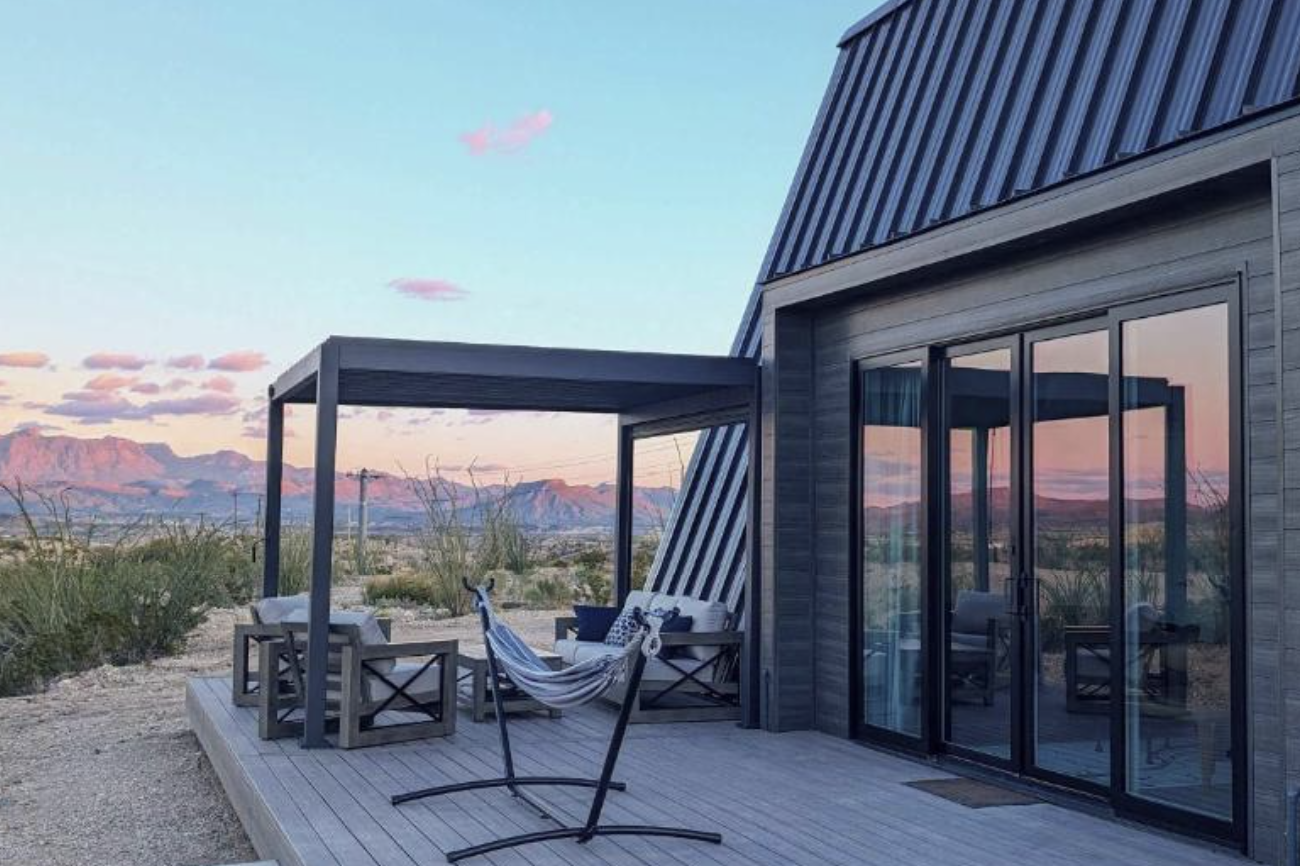
2. Stardust
A-frame cabins equipped with full kitchen, washing mashine, separate bedroom, and outdoor lounge furnture. There's a shared clubhouse with gameroom. All the comforts of a house but with the remote desert landscape and stargazing.
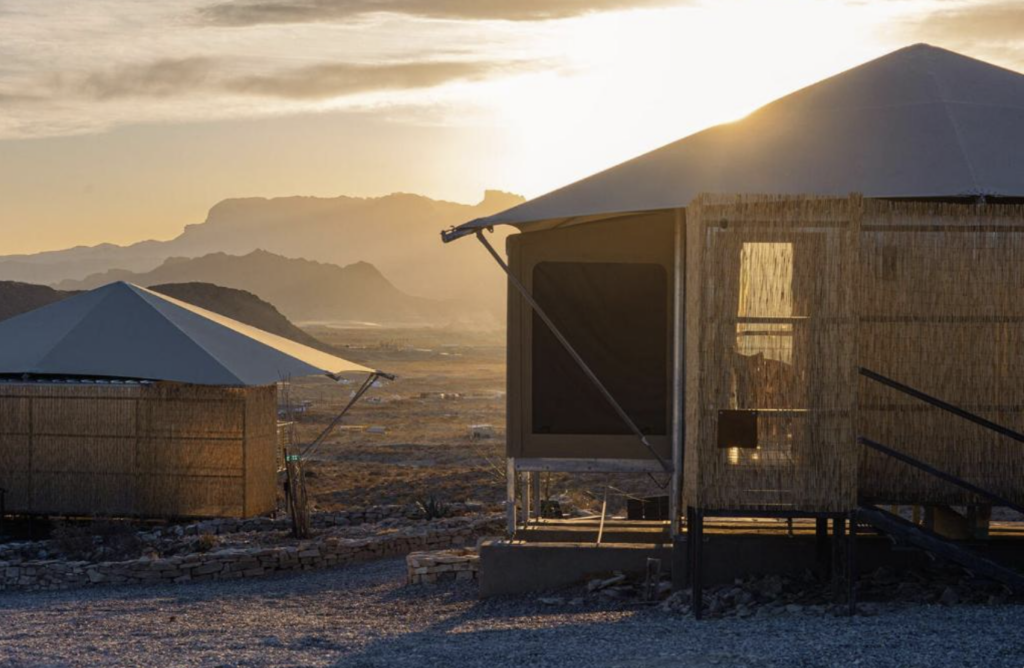
3. Camp Elena
Glamping with private bathrooms and thoughtful touches including bathrobes, kitchenette, and telescopes. More of a hotel feel than Space Cowboys, which is the more rustic camping experience.
Frequently Asked Questions
How many days do you need at Big Bend?
Three full days is ideal. We only did two days on the last trip since we had our 5-year-old who was pretty tired by day 2, but three days gives you enough time to hike the South Rim Loop (the best hike the parks to offer) either in one day or spread out over two days, plus some more moderate hikes on another day and a river rafting trip on day 3.
Is Big Bend safe to visit?
Big Bend is safe to visit, but come prepared. Watch your step on the trails - rattlesnakes and scorpions around. The biggest risk is the remoteness; bring plenty of water, sun protection, and consider an emergency radio as the cell service is sparse.
Can you see wildlife at Big Bend?
Yes, you'll spot plenty of birds, and while we didn't see any javelinas on our last trip, we could hear them in the distance at sunrise. Bears and mountain lions do live in the park, but sightings are uncommon.
Birdwatching in particular is exceptional, as over 450 species migrate through Big Bend, including hummingbirds, warblers, and swifts. The best spots for birding are the desert oases at Sam Nail Ranch and Dugout Wells.
Do you need a permit to visit Big Bend?
No permit is required to enter Big Bend, but you will need to pay the entrance fee, currently $35 per vehicle. If you visit multiple national parks, an America the Beautiful annual pass is worth it.
Top 5 Adventure Spots in South America 2025
Tuesday 26th of May 2026
This sounds like a really honest and valuable travel reflection 😍🏜️ Big Bend is one of those destinations that can completely surprise people—remote, rugged, and not overly polished, but exactly that rawness is what makes it special. A personal take like this is especially helpful because it gives real context beyond the usual guidebook descriptions ✨
faresgator M
Monday 25th of May 2026
Great blog! I really enjoyed reading about Big Bend National Park and the honest insights shared throughout the article. The stunning landscapes, hiking trails, and peaceful desert views make it look like an unforgettable destination for nature lovers and adventure travelers. I also appreciated the helpful travel tips and beautiful photos included in the post. This guide definitely makes planning a trip to Big Bend much easier and more exciting. Thanks for sharing such detailed and inspiring travel information with readers!