

Planning a trip to Tasmania’s capital? This Hobart itinerary shows exactly how to spend 3 days in Hobart, covering the city’s historic waterfront, the summit of Kunanyi / Mount Wellington, and a day trip to Bruny Island.
If you’re planning a trip to Tasmania and are wondering how to spend 3 days in Hobart, I’ve put together the perfect guide for you. It balances walkable city highlights with short drives or tours into Hobart’s surrounding areas – the city’s compact size means you can do a lot in a short period of time.
3-Day Hobart Itinerary at a Glance
If you're planning a trip to Tasmania, this 3-day Hobart itinerary covers the city's historic waterfront, nearby nature around Mount Wellington, and a day trip to Bruny Island.
| Day | Highlights | Key Stops |
|---|---|---|
| Day 1 | Hobart city highlights | Salamanca Place, Battery Point, MONA, Tasmanian Museum & Art Gallery |
| Day 2 | Nature around Hobart | Mount Wellington, Wellington Park trails, Cascade Brewery, Cascade Female Factory |
| Day 3 | Bruny Island day trip | Cape Bruny Lighthouse, Truganini Lookout, Adventure Bay, local food stops |
Is 3 Days in Hobart Enough?
Yes, we think three days is the ideal amount of time to experience Hobart. It gives you enough time to explore the historic waterfront, visit Mount Wellington for panoramic views, and take a day trip to Bruny Island. While you could spend longer exploring the island, a 3-day Hobart itinerary covers the city's highlights without feeling rushed. If you're continuing your trip afterward, check out my guide to the best things to do in Tasmania.
3-Day Hobart Itinerary Map & Quick Introduction to the City
Set between the Derwent River and the slopes of Kunanyi (Mount Wellington), Hobart is Tasmania's main city and also takes the title of Australia's southernmost capital. It serves as the gateway to Tasmania for many travelers, and is visited by millions of Australian and international tourists each year. It’s popular for good reason - Hobart's blend of fascinating, well-preserved history, its thriving local food scene, and its easy access to wild landscapes make it an incredibly cool place to spend a couple of days.
This Hobart itinerary focuses on our favorite city highlights and a day trip to Bruny Island, but there’s plenty more to explore across Tasmania. If you’re planning a longer trip around the island, these guides will help you continue your journey.
• Best things to do in Tasmania – the island’s top des-tinations and experiences
• Best things to do on Bruny Island – a deeper guide to Hobart’s most popular day trip
• Best hikes in Tasmania – the island’s best trails and viewpoints
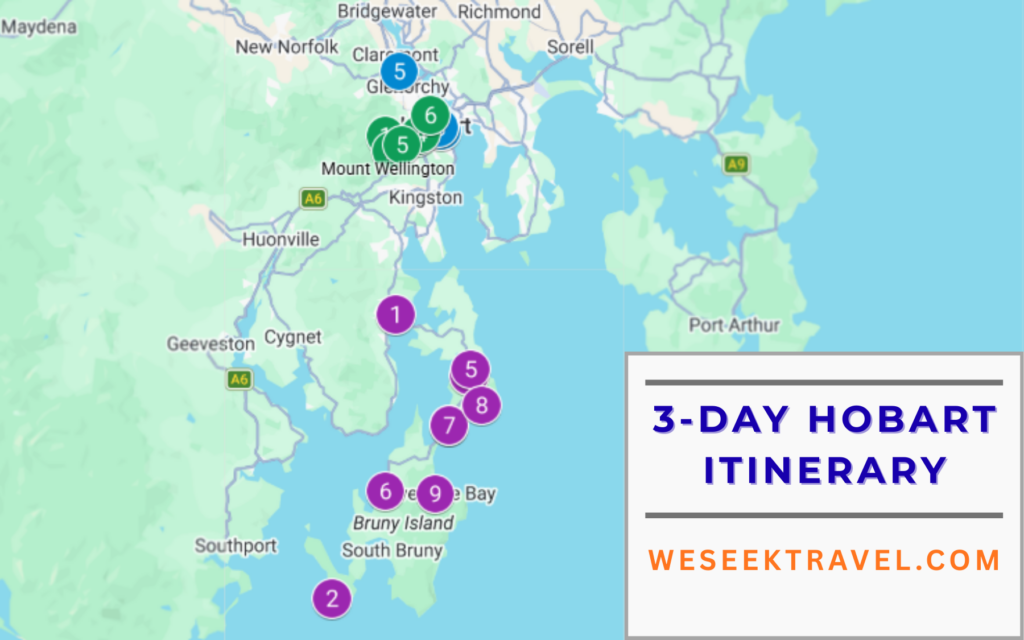
How to Use This Map
The interactive map above shows all the locations included in this 3-day Hobart itinerary. Use this map to see all the stops included in this 3-day Hobart itinerary, including Salamanca Place, the summit of Kunanyi / Mount Wellington, and the Bruny Island day trip.
• Blue pins – Hobart city highlights (Day 1)
• Green pins – Mount Wellington and nature stops (Day 2)
• Purple pins – Bruny Island day trip locations (Day 3)
You can click each pin to see the location details and use the map to navigate during your trip.
Day 1 – Hobart City Highlights
Your first day focuses on the city itself. Hobart’s CBD and waterfront area are highly walkable, so you don’t need to worry about having a car today. Starting your Hobart itinerary by visiting the CBD’s attractions is an ideal introduction to the culture, history, and vibe - it’ll set you up well for your 3 days in Hobart.
Morning – Salamanca Place, Battery Point & the Waterfront
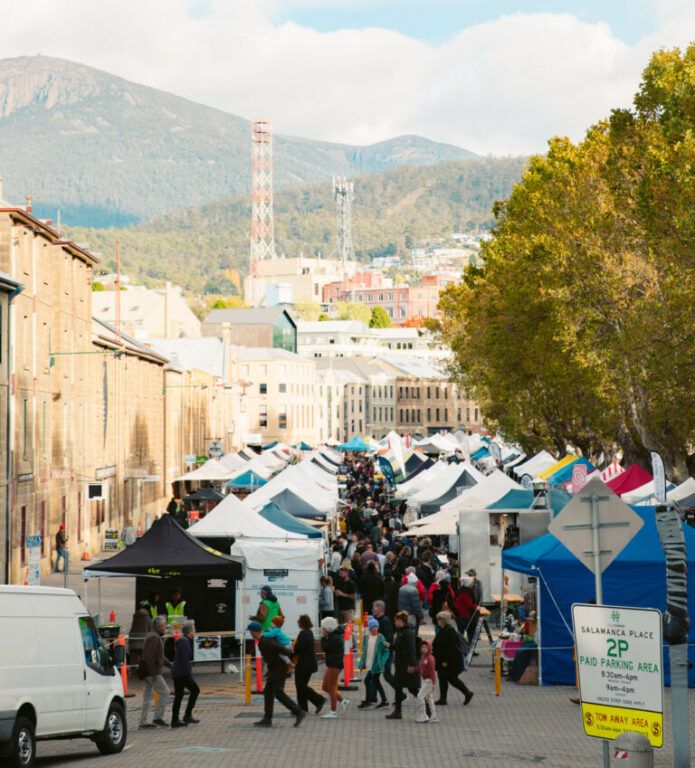
Start your morning at Salamanca Place, Hobart’s most recognisable precinct. Hobart is one of the oldest cities in Australia, and you can really feel its history in Salamanca Place - the honey-coloured sandstone warehouses date back to the early 1800s, and the buildings played a vital part in Tasmania's whaling industry. Today, the area is home to cafés, galleries, and boutiques, plus Salamanca Market.
Tip: Salamanca Market runs from around 8:30 am to 3:00 pm on Saturdays.
Grab coffee and a bite to eat from a small café along the wharf or in Salamanca Square - this area is great for dining, so you’ll have lots of choice! I was a big fan of Hobart's coffee scene; Hobart takes its coffee seriously, and many places roast their beans locally. After breakfast, head uphill into Battery Point - it’s about a five-minute walk away. This was Hobart's first suburb, and the neighbourhood feels like a village frozen in time, with narrow lanes and weatherboard cottages, all set into a classic Tasmanian mountain background.
I think spending your first morning exploring these two areas is one of the best things to do in Hobart - it gives you such a good sense of Hobart's history. Just make sure to wear comfortable shoes - Hobart isn’t a very flat city! The hills aren’t too steep, but they’re pretty constant.
Afternoon – Hobart's Museums
After lunch, it’s time to hit up Hobart's museums - there are two main ones I recommend. The first is the Museum of Old and New Art (MONA).
Tip: You take a ferry from Brooke Street Pier to reach MONA, which really turns the journey into part of the experience. Fares start at A$30.
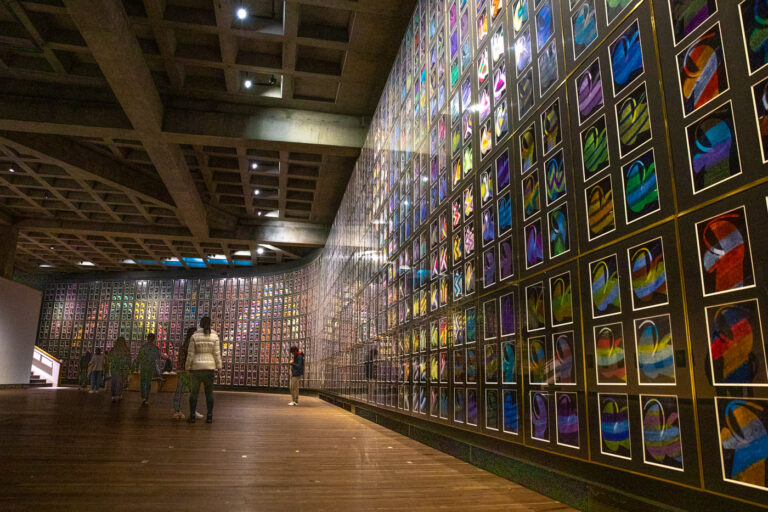
MONA is often touted as one of the best things to do in Hobart, and I really recommend it - even if you aren’t particularly into art. It’s a really immersive museum with interactive exhibitions, some of which are pretty wacky; one of the most famous series of installations is the artist Wim Delvoye's Cloaca machine. It was designed to replicate the human digestive system, and is basically a computer that is fed and then poops, in real time. Like I said - pretty wacky!
I recommend allowing at least three hours to get around the museum, and it’s worth downloading the MONA app before you arrive; many of the labels are digital, and the museum is mostly underground, so reception can be patchy.
After MONA, if you have time, head back to the city and visit the Tasmanian Museum and Art Gallery (TMAG). It’s centrally located, free, and offers excellent insight into Tasmania’s natural and cultural history through its collection of art and taxidermy.
Evening – Waterfront Dining
In the evening, head down to the waterfront. Constitution Dock and Franklin Wharf are packed with restaurants specialising in Tasmanian produce - think oysters, salmon, wallaby, and local wines. The two areas are located next to one another, and it's a great spot to spend your first evening in Hobart.
Day 2 – Nature & Views Around Hobart
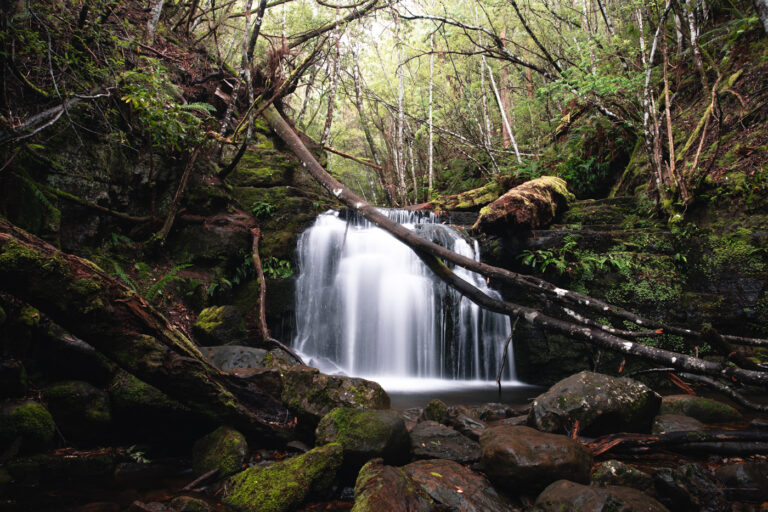
Day 2 focuses on what’s, in my opinion, Hobart’s biggest advantage: its close proximity to such amazing nature. Hobart sits in the shadow of Kunanyi/Mount Wellington, and the city is also surrounded by coastal scenery, a temperate rainforest, and some fantastic nature reserves - even in the CBD, you’re never too far away from nature in Hobart.
The weather in Hobart can be pretty changeable, and today's itinerary involves a lot of time outdoors - it’s worth checking the forecast ahead of your Hobart trip, and planning today's itinerary for the day with the best weather.
Morning – Kunanyi / Mount Wellington
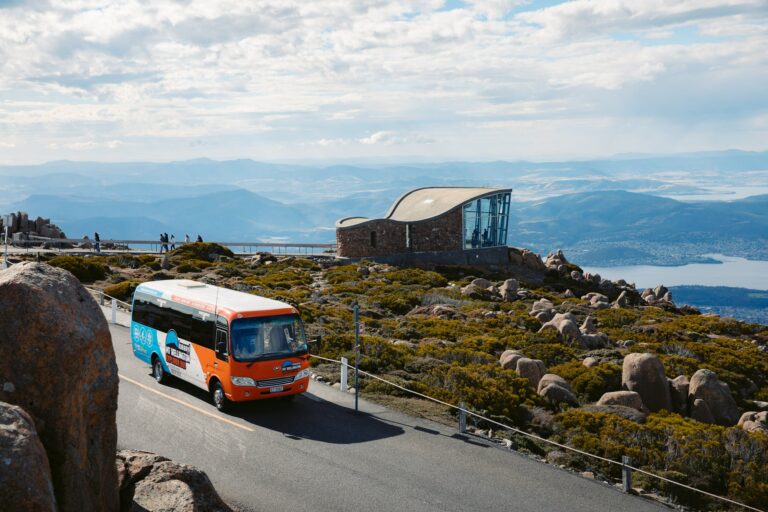
Begin early and head up Kunanyi / Mount Wellington. This mountain towers over the city, measuring just over 1200 meters. On a clear day, the summit offers sweeping views over Hobart, Bruny Island, and even the Tasman Peninsula. The mountain is located within Wellington Park, and there’s a vast network of trails in the area - there are over 40 recognised trails here, with durations ranging from short walks to long, challenging hikes.
Start at The Springs, and take this Mount Wellington Circuit walk for the best views along the way to the summit. The loop takes around 1.5 - 2 hours to complete, and is pretty manageable - it starts at 720 meters above sea level, so the elevation isn’t too tough.
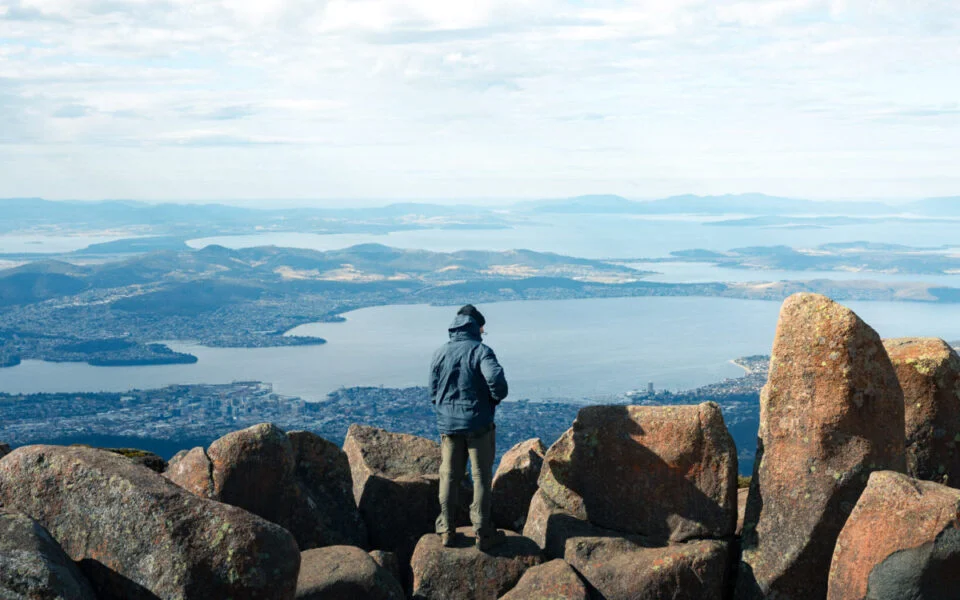
If hiking isn’t your thing, you can drive to the summit via Pinnacle Road, and there’s a shuttle bus if you don’t have a vehicle for your Hobart itinerary. It’s also possible to book small group tours online, which include pickup in Hobart - these are a great option if you want to see the incredible views at the top, without having to worry about any of the logistics.
Make sure to bring an extra layer with you, no matter what time of year you’re visiting - even in summer, temperatures at the top can be 10–15°C cooler than the city. If you’re driving yourself to the summit, it’s wise to check the live webcam for the latest weather conditions at the top; these can be vastly different from the weather in the CBD, and sometimes the summit is closed due to bad weather.
Afternoon – Cascade Brewery & South Hobart
Head back down and spend the afternoon in South Hobart. Start at Cascade Brewery, Australia’s oldest operating brewery, which is set in a beautiful backdrop of forested hills. It’s a really cool spot, even for non-beer drinkers - the heritage architecture and sculpted gardens make it a great place to enjoy a scenic lunch.
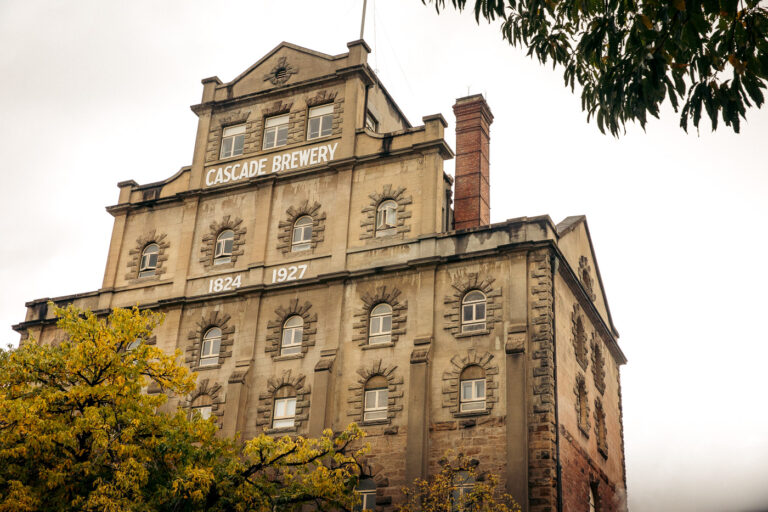
Afterwards, explore nearby walking tracks or visit Cascade Female Factory, a UNESCO World Heritage site that tells the story of convict women in Tasmania. From 1826, thousands of female convicts from Great Britain and Ireland were housed in the purpose-built colonial prison. The institution was designed to hold 100 women at any one time, but inhabitants regularly exceeded over 1000 women and children, living in overcrowded squalor. A visit to the museum is one of the more sobering but important things to do in Hobart, and it’s a fantastic way to learn about Tasmania's history as a penal colony. I really recommend taking one of the guided tours here, as the insights and stories they share add a layer of depth you don’t get on a self-guided visit.
There are a few different tours and experiences here, but we recommend the Convict Women's Tour, which is around A$35 (with discounts for students and children) and includes entrance.

After the museum, if you have extra energy, take a short walk along Hobart Rivulet Track, which follows a creek back toward the city.
Evening – North Hobart Dining Scene
In the evening, head to North Hobart. This area is known for its great dining scene and cool boho vibes; this is where Hobart locals eat. From Italian and Thai to modern Tasmanian bistros, the choices are excellent and generally more affordable than waterfront dining.
Finish the night with a drink at one of North Hobart's small, quirky bars, or with a visit to the State Cinema. Spending an evening exploring North Hobart is a must on any Hobart itinerary, as it’s a great way to get a real, authentic feel of the city.
Day 3 – Day Trip from Hobart
Now that you’ve experienced the best of what Hobart offers in and around the city, your final day is for heading slightly further afield on a day trip. One of Tasmania's huge appeals to travelers is its natural beauty, and today's section of this Hobart itinerary will show you some of the area's very best.
Bruny Island
Bruny Island is easily one of the best day trips you can take from Hobart. I might be biased because it’s a great destination for my two favorite things - dramatic nature views, and delicious local cuisine! The island is flanked by rugged cliffs and wild coastline, and is renowned for its local produce like oysters, artisan cheeses, and handmade fudge.
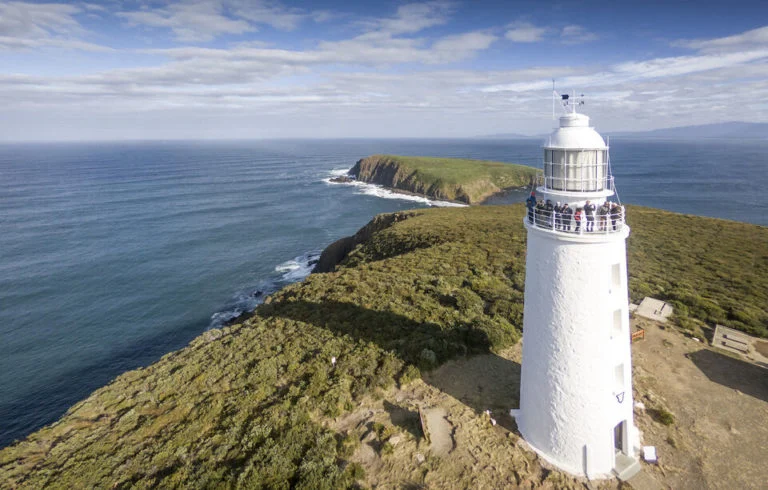
You have two options for visiting Bruny Island: you can hire a car and cross using the vehicular ferry from Kettering, or you can join a guided Bruny Island day tour. There’s a lot to do on Bruny Island - if you opt for a self-drive day trip, I recommend visiting the following spots:
- Cape Bruny Island Lighthouse - located on the southern tip of the island, Cape Bruny Lighthouse is the second oldest lighthouse in Australia, and it safely guided ships around the island for just under 200 years. It has a pretty interesting history - the lighthouse was built by a group of 12 convicts, who were promised freedom in return for their swift work. You can take a guided tour of the lighthouse if you want to learn all about its past, and the tour takes you all the way to the top, where you can admire the incredible view.
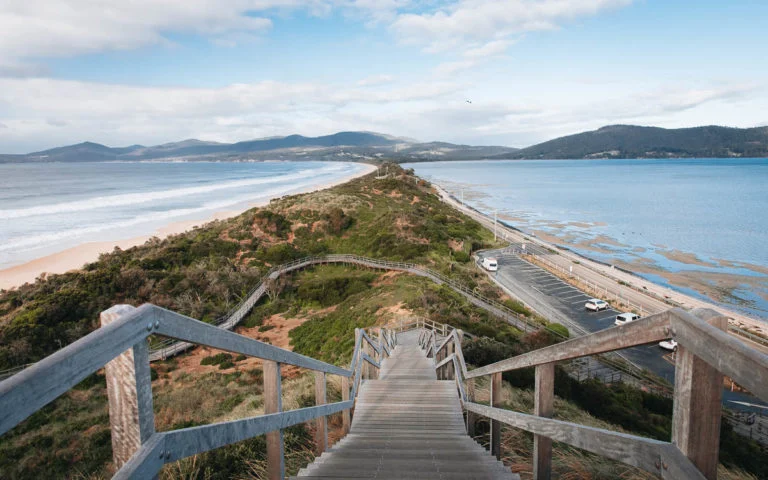
- Truganini Lookout & Viewpoint - this viewpoint is on a part of Bruny Island called The Neck, which is a narrow strip of land connecting the north and south of the island. There’s a 300-step climb up, and when you reach the top, you’re rewarded with epic 360-degree views over the whole of Bruny Island. It’s pretty special and is a must-visit during your day trip.
- Food and drink tasting - For such a small island, the food and drink offerings on Bruny Island are exceptional - it’s a great day trip for foodies, with so many small independent businesses serving local produce. My top recommendations are: Bruny Island Cheese & Beer Co, Get Shucked Oyster Bar, Bruny Island Premium Wines, and The Bruny Island Chocolate and Fudge Shop.
- Cape Queen Elizabeth Trail - This is one of the best walks you can do on the island. The full trail is a 14 km return walk in the north of the island, which sees you pass some incredible coastal scenery. It takes between 3 and 5 hours to complete, but as you’re on a day trip and there’s so much to see on the island, instead of doing the full walk, I recommend only going as far as Mars Bluff. Here you’ll see one of the walk's highlights - a really cool natural rock arch that climbs out of the sand on the beach.
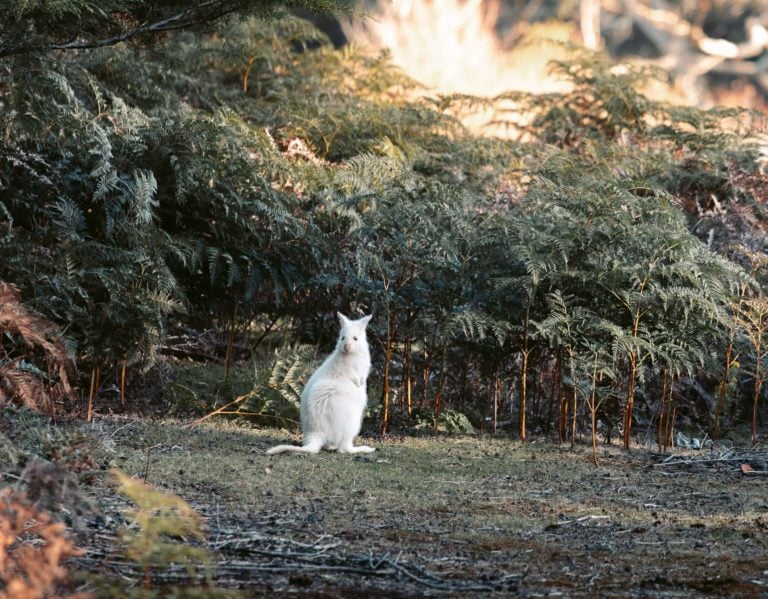
- Adventure Bay - Located in the southern part of the island, this is one of Bruny's best beaches, and it’s also where you’re most likely to find the rare white wallabies that inhabit the island. These mythical-looking creatures exist because of a rare genetic mutation - it’s likely that anywhere else in the world, they wouldn’t survive, but a combination of the lack of predators on Bruny Island and valiant efforts from locals who look after them means there are around 200 of them on the island.
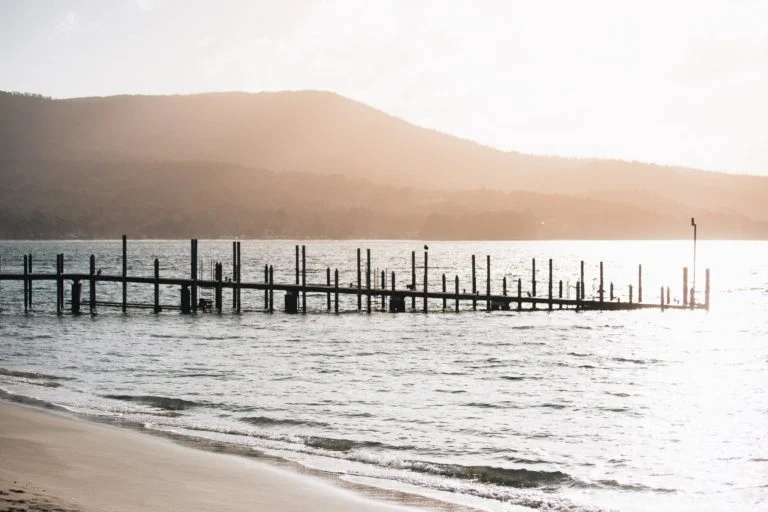
If you choose to visit Bruny Island on a self-drive day trip, there are two important things to be aware of. Firstly, there aren’t many gas stations on the island, so make sure you fill up before leaving the mainland. And second, the Ferry doesn’t run on a reservation system, and there are often large queues for the last ferry of the day, which means that not everyone can board. If you don’t want to get stuck on the island, aim for an earlier ferry and make sure to allow plenty of time!
Of course, driving isn’t for everyone - you might not have a license, may not be comfortable driving abroad, or perhaps you just don’t fancy the stress of planning your own itinerary for Bruny Island. Luckily, you don’t have to miss out if any of these things apply - this is where a guided tours come in!
This Bruny Island Day Trip is well-planned out, has great reviews, and is tailored according to the weather conditions. This flexibility is very important in a location with such changeable weather! I also like the look of this Gourmet Sightseeing Bruny Island Day Tour and think it would be a great option for foodies wanting to experience the top spots on the island.
Getting Around Hobart
Hobart’s city centre is extremely walkable, and many things to do in Hobart are clustered around the waterfront and CBD. For Day 1, you won’t need a car. There’s a comprehensive bus network in the city, but as a tourist you’re unlikely to need to use it as the CBD is so compact - buses are mainly used to link the CBD with suburbs. Ridesharing apps like Uber are available, and these are handy for getting to and from the airport, or you can use SkyBus for a cheaper option.
For Days 2 and 3, hiring a car offers flexibility, especially for Mount Wellington and day trips. However, tours are a great alternative if you prefer not to drive, and you absolutely don’t need a car to see the best of what Hobart has to offer. For first-time visitors planning 3 days in Hobart, mixing walking, ferries, and a guided tour to Bruny Island is a great way to experience the city.
Best Time to Visit Hobart
The best time of year to visit Hobart is summer, which runs from November to March. The days are longer, there’s more atmosphere and things going on around the city, and temperatures are pleasant - they usually range from around 11 - 20 °C. Summer weather is generally mild, but it can get chilly at times due to the wind.
Autumn (March - May) and Spring (September - November) are also good times to visit Hobart, as there are fewer crowds, and the change in weather transforms colours in nature, which is very scenic.
The Winter months of June, July, and August offer travellers a completely different experience - Hobart is quieter but can be cozy and charming, as a variety of festivals take place over this period. It’s not the best time for experiencing Hobart's nature, though, as it gets pretty cold and wet over winter.
Where to Stay in Hobart
I recommend staying either in the CBD, Salamanca, or Battery Point - these three areas provide the easiest access to most of the activities in this Hobart 3-day itinerary, and they’ve each got a great selection of places to eat and drink nearby. Here are my top three accommodation picks in Hobart:
YHA Hobart ($) - There aren’t many hostels in Hobart, but the YHA is one of the best budget accommodation options. It’s very centrally located, clean and well-equipped, and the staff are super helpful for anything you need during your stay.
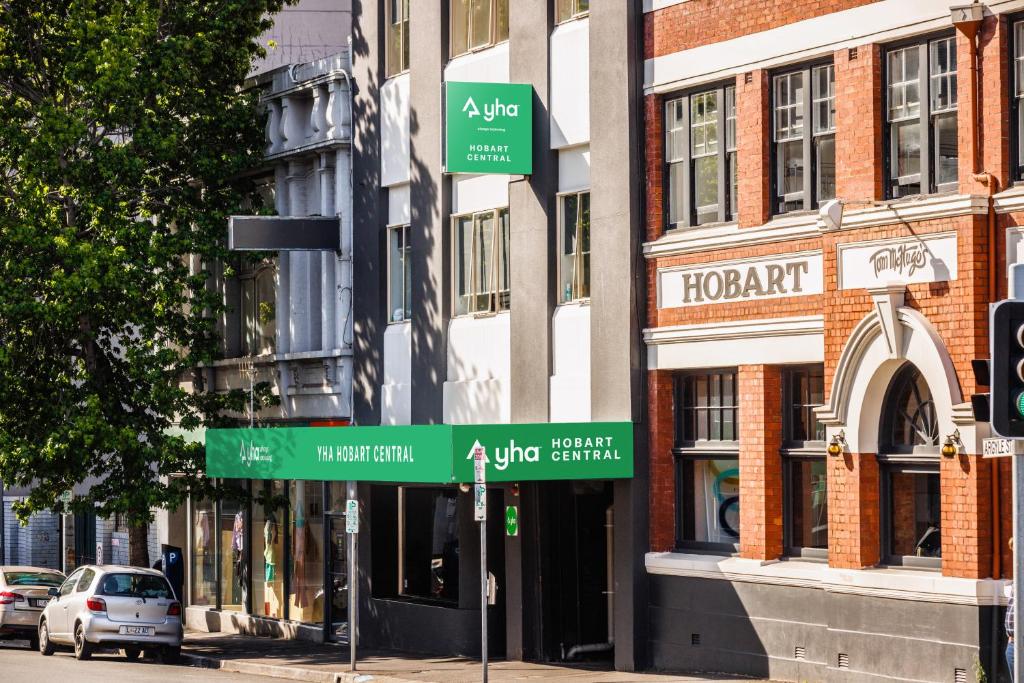
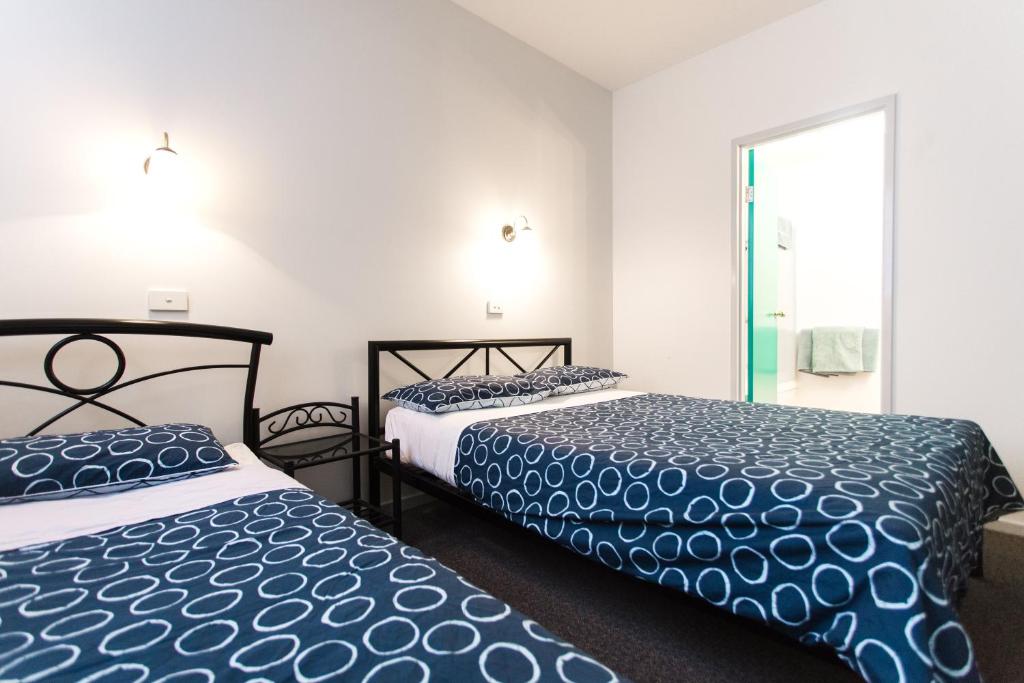
Book: YHA Hobart Central
Customs House Hotel ($$) - this is a great mid-range option in the CBD. Rooms are super modern and comfortable, and some even have a view over the harbour. The hotel is also home to one of Hobart's oldest pubs, and they have a great food menu here too.
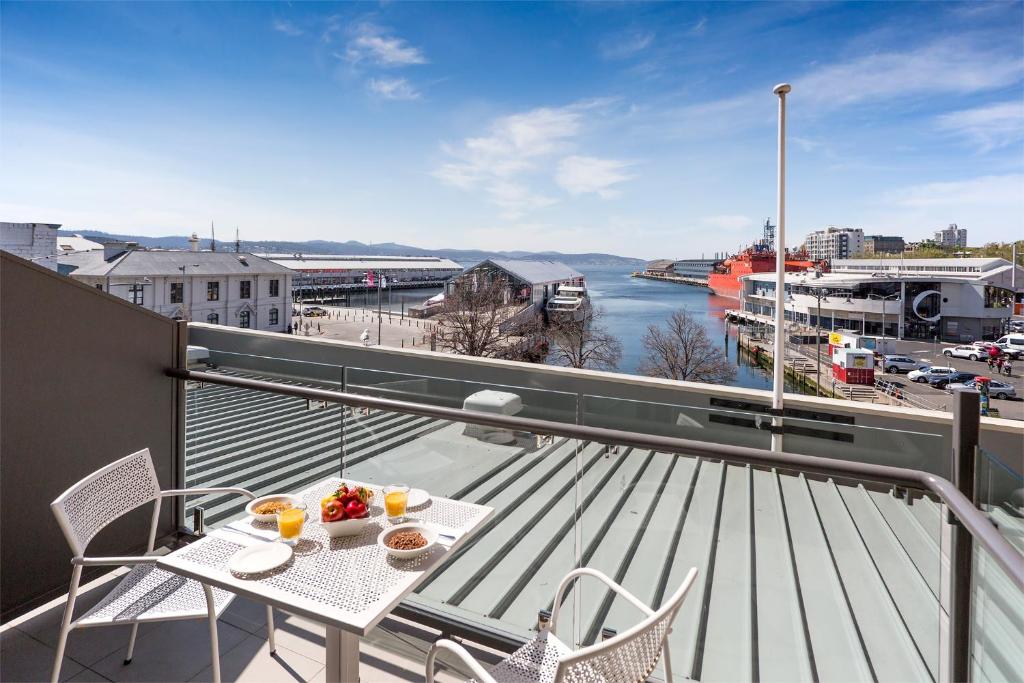
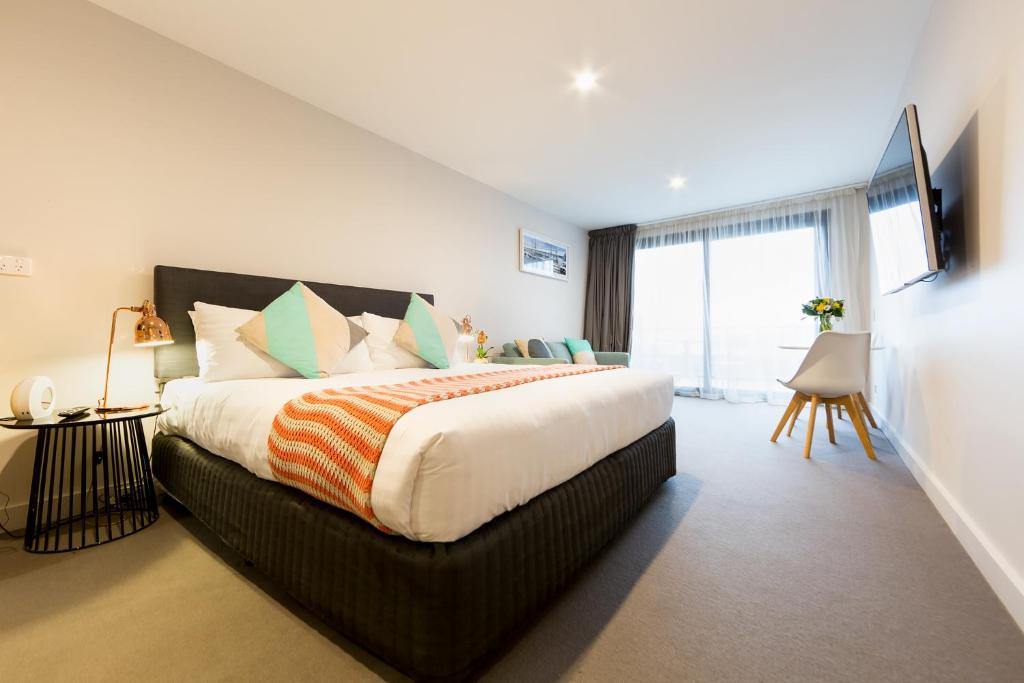
Book: Customs House Hotel
Moss Hotel ($$$) - this is a beautiful, charmingly decorated heritage hotel, located in Salamanca. The rooms look incredible and full of character, and the luxury touches like underfloor heating in the bathroom make for a great stay.
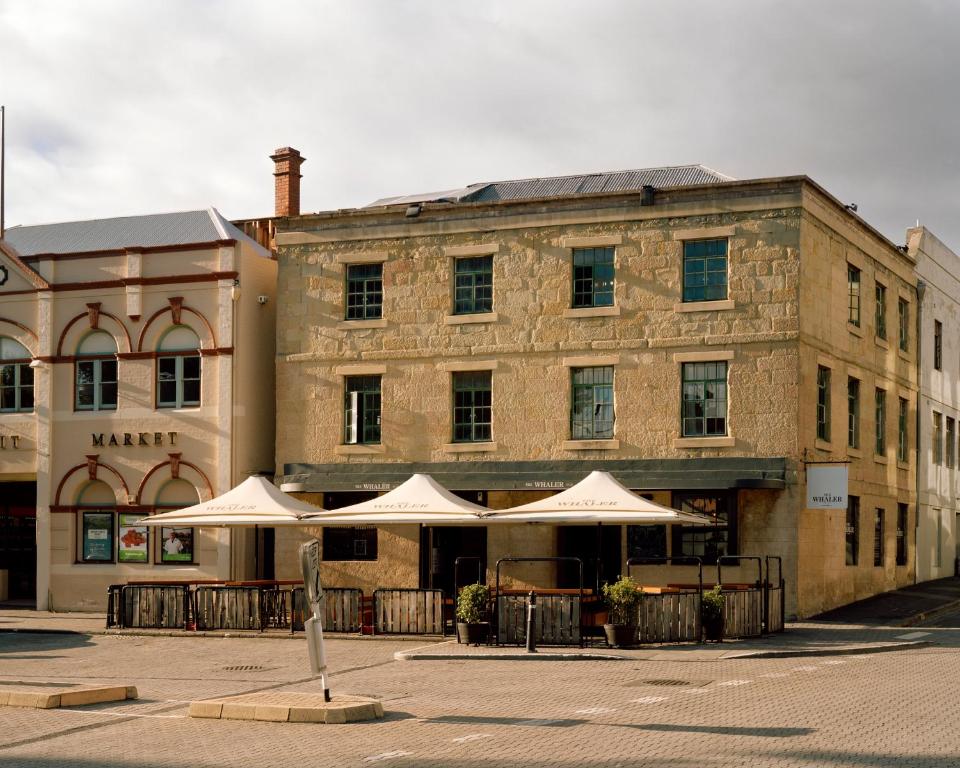
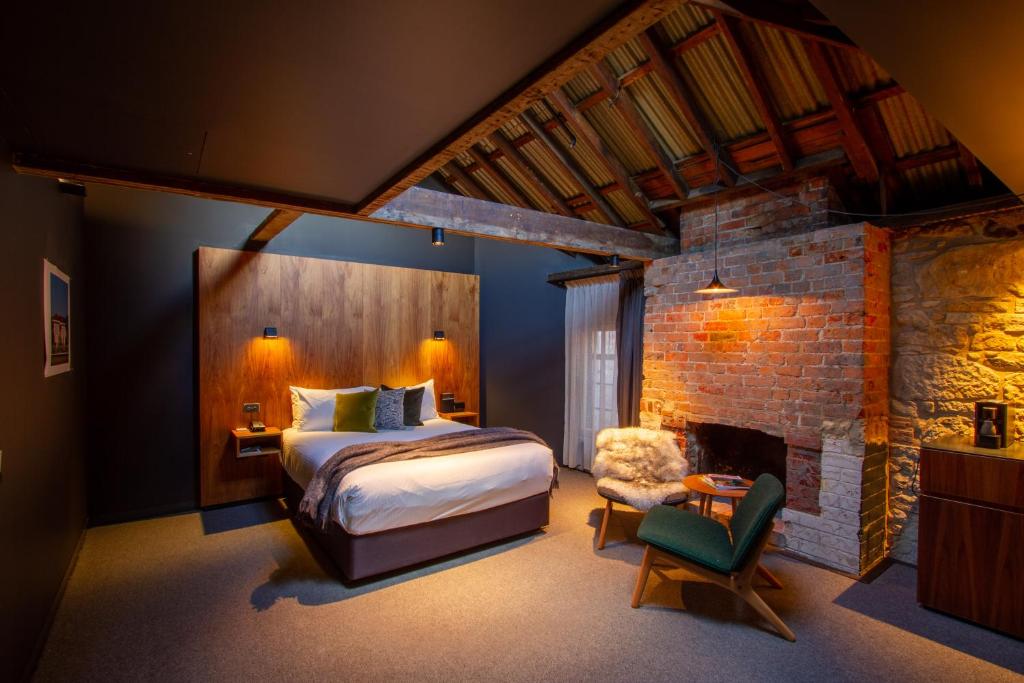
Book: Moss Hotel
Practical Tips for Visiting Hobart
- Always check the weather before heading out for the day, especially when visiting Mount Wellington. It’s worth packing plenty of layers with you - Hobart is known for its weather changing multiple times throughout the day, so be prepared for anything!
- Book popular restaurants and tours in advance if you’re visiting during peak season. The city is only small, but it does get busy over the summer months, so it’s worth booking ahead.
- Don’t try to cram too many activities into your Hobart itinerary - it can be tempting, as it isn’t a very big city, but it’s a really laid-back destination, and you’ll enjoy it more if you take it at a reasonable pace.
Is Hobart Worth Visiting?
Absolutely. Hobart is such a rich destination, and the city (and Tasmania in general!) feels completely different from anywhere else I visited in Australia. Despite being such a compact destination, Hobart combines history, food, and nature so well - it makes for a fantastic couple of days. For travellers with limited time, 3 days in Hobart is ideal - it’s enough to see the highlights while leaving room to explore at your own pace.