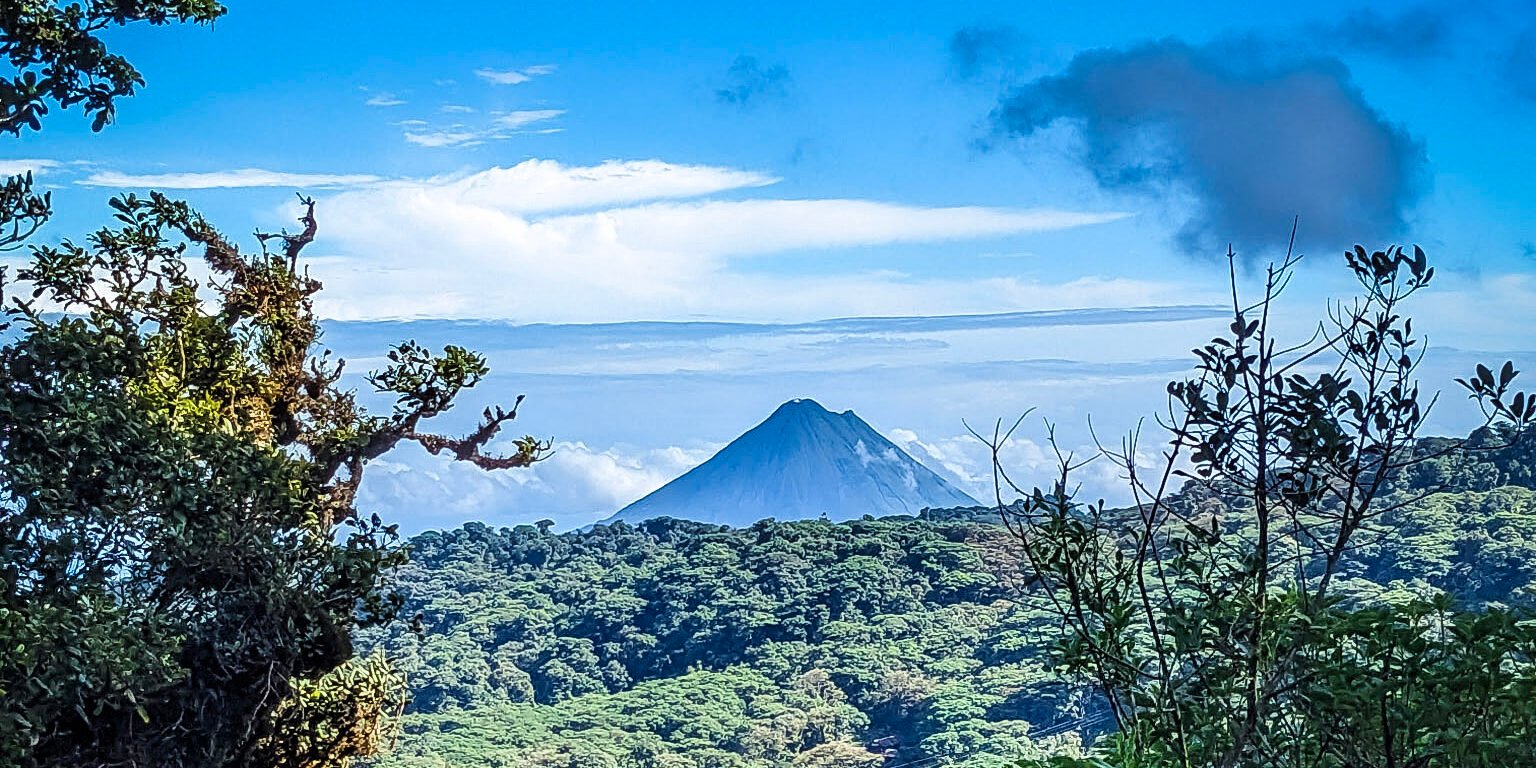


Wondering if Costa Rica is worth a visit in a post-pandemic world? Here’s our honest impression from our recent trip!
We’ve been traveling to Costa Rica from the U.S. since 2018, and there have undoubtedly been changes since then. We’ve heard more negativity about tourism prices and safety concerns, and the country is still experiencing a bit of a downturn in tourism since the pandemic.
But is Costa Rica still worth the trip? In my opinion: absolutely. In this guide, I’ll go over my thoughts at whether Costa Rica still makes sense in 2026, including who will love it, who might be disappointed, and hot to decide if it’s the right trip for you.
Quick Verdict: Is Costa Rica Still Worth Visiting in 2026?
Yes — Costa Rica is still worth visiting in 2026 if you:
- Want wildlife, rainforests, and nature without extreme logistics
- Value safety, good infrastructure, and family-friendly travel
- Are okay with planning ahead and following park rules
- Prefer meaningful outdoor experiences over nightlife
Costa Rica may not be worth it for you if you:
- Expect cheap backpacking or Southeast Asia–level prices
- Want empty beaches and totally untouched destinations
- Dislike reservations, guided hikes, or early starts
- Are hoping to “wing it” with no itinerary

What’s Changed About Costa Rica Travel in 2026
It’s More Expensive Than It Used to Be
Costa Rica has always had a great range of both upscale resorts and budget-friendly hotels and hostels. But when we first visited in 2018, it had a reputation for being a destination where you can get great value for your money. We found this to be true; we splurged on a 5-star boutique resort, Nayara Gardens, for around $400 a night. Still expensive, to be sure, but coming from the U.S., this was a decent price considering the huge private villa, indoor/outdoor shower, private outdoor Jacuuzi. Now, the nightly rate at Nayara Gardens starts at around $750 in the off season and increases from there.
Meals are also more expensive; on our last trip, we paid about as much as we would in the U.S. at a typical restaurant. Some of this is due the significantly strengthered value of the colón compared to the USD, and a lot of this is due to inflation. There has also been a huge increase in foreign investment in the real estate market.
Overall, I would expect costs on a Costa Rica trip to be similar to that of a U.S. vacation. Expect national park entrance fees and higher private reserve entrance fees, but know that these fees help support the local economy (which is highly dependent on tourism) and to preservation and reforestation efforts.
There are always ways to make Costa Rica a budget-friendly vacation, and we're working on putting out this guide as we speak.

Popular Areas Are Getting Busier
If you visited Costa Rica in 2021-2022, you probably didn't feel packed into a crowd of tourists. The country's tourism took a significant hit during the pandemic that is still recovering, with 2024 nearly reaching pre-pandemic levels. Crowds tend to accumulate in the most popular spots such as Manuel Antonio, making these well-known spots feel more and more crowded since the pandemic.
For what it's worth, our recent trip to Monteverde over American Thanksgiving week (when schools are out) did not feel busy with toursists at all.
If you're crowd-averse as we are, there are so many amazing less-traveled areas of Costa Rica to visit, like the Nicoya and Osa Peninsulas and the Caribbean coast. If you want to visit more popular hot spots, consider visiting in the shoulder season.
National Parks Require Reservations
Costa Rica's parks now require online reservations (through the SINAC website) with entrance time slots and limited number of tickets. The need to more strictly regulate the number of visitors in 2020 pushed this effort along. But aside from pandemic-era social distancing requirements, the main goal of this reservation system is to ensure protection of the national environment from overtourism. It's best to reserve these in advance if you're traveling in peak season.
Crime Has Increased (But It's Still One of the Safest Latin American Countries)
It’s true that crime has increased in Costa Rica over the past few years. Local news coverage, government advisories, and expat reporting have all been more vocal about theft, car break-ins, and isolated violent incidents than they were a decade ago. Costa Rica no longer has the near-mythical reputation of being “crime-free.”
That said, context matters.
Even with these increases, Costa Rica remains one of the safest countries in Latin America for travelers, especially compared to destinations with similar popularity and accessibility. Most tourist-related crime is non-violent and opportunistic — things like unattended bags and rental car break-ins. Incidents involving tourists are still far more likely to be theft than personal harm.
Costa Rica requires the same common-sense precautions you’d use in many well-traveled destinations:
- Don’t leave valuables visible in cars
- Be mindful in busy beach towns and transit hubs
- Use hotel safes and reputable transportation
- Avoid isolated areas late at night
For families and first-time visitors in particular, Costa Rica still stands out for its political stability, strong tourism infrastructure, and predictable travel environment. Emergency services, hospitals, and police response are generally reliable in major tourist areas, which is not something you can take for granted everywhere in the region.
What Hasn't Changed in Costa Rica
The Biodiversity is Still Amazing
If there's one reason Costa Rica is absolutely worth visiting in 2026, it's for the rich biodiversity and variety of ecosystems. Costa Rica remains one of the most biodiverse places on earth, and the rainforest continues to grow as the wildly successful reforestation efforts started in the 1980's are still ongoing. Rainforests, cloud forests, dry tropical forests, mangroves, coral reefs, and volcanic ecosystems all exist within a few hours' drive of each other.
Some areas will be better to see certain wildlife than others, but we've never been disappointed. Sloths, howler and capuchin monkeys, toucans, scarlet macaws, frogs, and coatis are still commonly seen, even on short, well-maintained trails.
Importantly, many of the newer park rules and visitor caps exist to keep these ecosystems so intact. Conversation is the backbone the tourism model of Costa Rica, and this preservation mindset is woven into the daily lives of every local person we spoke with.
It’s Still One of the Easiest “Adventure” Countries to Travel
One of the biggest reasons Costa Rica continues to make sense in 2026 is that it offers real adventure without the logistical hurdles that often come along. While Costa Rica is fantastic for travelers of all ages and lifestyles looking for outdoor adventure, it's particularly well suited for families, novice travelers, and people living in the Americas.
Roads are not perfect and are sometimes unpaved, but they have significantly improved over the past few years. We feel perfectly comfortable driving a rental car here, but if you prefer not to deal with one, private or small group transfers are readily available to most tourist spots.
Costa Rica has an excellent combination of well-developed tourism infrastructure, adventure activities, and genuine outdoor experiences. Guided hikes, ziplining, canyoning, surf lessons, and wildlife tours are widely available, professionally run, and easy to book, often with safety standards that are higher than in many other nature-focused destinations.
Costa Rican Locals are Warm and Welcoming of Tourists
Despite the economic downturn from the pandemic, every local person (or Tico) we interact with in Costa Rica continues to be remarkably warm and welcoming toward visitors. There remains a focus on wellness and enjoying life among people who live here. The Nicoya Peninsula recently received some attention for being a "blue zone of life," where people tend to live active, healthy lives to 100 years old thanks to their way of life. Part of this is thought to be due to spending active time outdoors, taking life slowly, and enjoying good food and wine with family and friends.
It's particularly notable to us that in 2026, this attitude has endured even as tourism has changed. On our most recent trip, our night tour guide chatted with us about rising costs and anxieties about relying solely on tourism for income, explaining how he ended up pursuing another degree to have a career to fall back on. But he still spoke with a genuine pride in his country and a desire to continue sharing his love of nature and conservation with visitors.
Who Costa Rica Is Best For in 2026
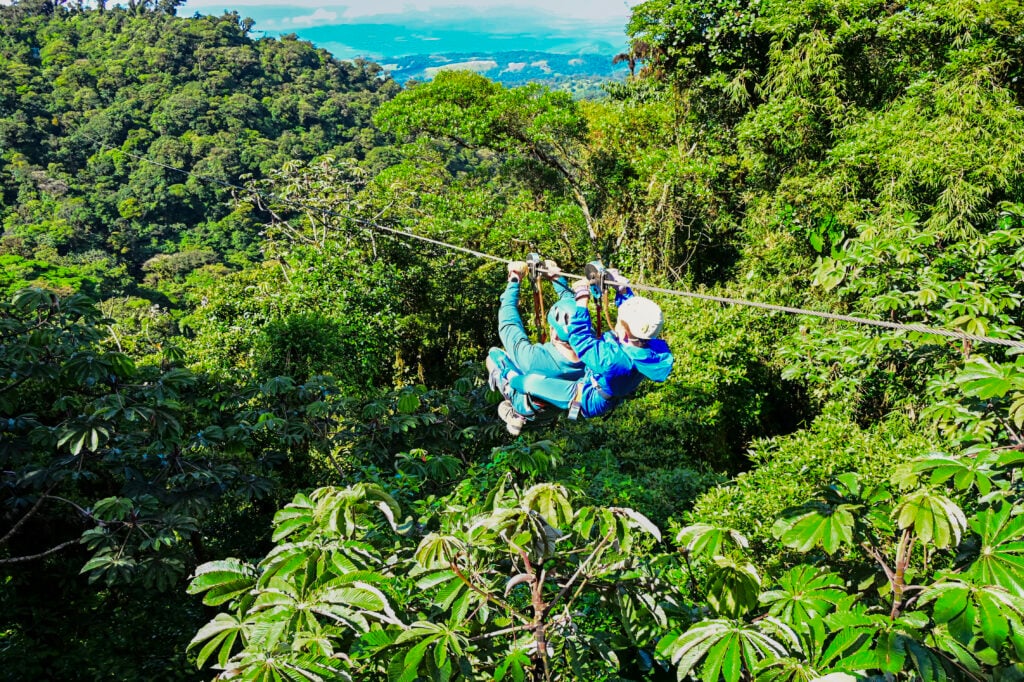
- Active travelers. If you want a destination where you can hike volcanic lanscapes, swim under waterfalls, zipline through forest canopies, learn to surf, and kayak mangroves all in one itinerary, Costa Rica is hard to beat.
- Nature lovers. Costa Rica continues to offer one of the highest biodiversity payoffs in the world without requiring highly remote expeditions or technical travel.
- Families with kids. Costa Rica is one of the easiest places in the tropics to travel with children thanks to well-cared-for trails, tourism infrastracture, family-friendly lodging options, and excellent medical care.
- Couples and honeymooners. There are plenty of gorgeous cabins and villas surrounded by rainforest or with beautiful valley views to choose from in Costa Rica for a getaway that feels private and remote, while only being within a couple hours drive of an international airport.
Who Might Be Disappointed
- Budget backpackers. You can absolutely do Costa Rica on a budget, but it's still not as affordable as other adventure travel destinations for backpackers like Indonesia, Thailand, and Colombia.
- Travelers looking for untouched destinations. With Costa Rica's strong ecotourism sector and well-developed infrastructure, most of the country does not feel "off-the-beaten-path." (The Oso Peninsula is less traveled and more rugged than other parts of the country, so consider adding it to your itinerary if that's something you're looking for within Costa Rica.)
- Travelers who don't want to plan. National parks and private reserves require reservations, and moving around different regions of the country takes advanced planning. There are definitely things you can book spontaneously once you're already at your destination, but if you're traveling in peak season, you'll probably want to make these a few weeks ahead of time.
How to Make Costa Rica Worth It in 2026
- Visit national parks early in the day and book your reservation in advance. Crowds peak mid-morning; early starts dramatically change the experience. Make your entry reservation online (at SINAC.go.cr) weeks or months in advance if traveling to a more popular park at peak season.
- Look for accomodations near park entrances when possible. Shorter drives = less stress and more flexibility with timing.
- Use guides strategically. Guided hikes often improve wildlife sightings and help you navigate new park rules.
- Slow down your itinerary. It can take a lot longer than you'd expect getting from point A to point B in Costa Rica thanks to road conditions. A lot of work has been done to the roads over the years, so they're better than they used to be; but, with all the heavy rain, potholes happen, and roads are often narrow and moutainous. So choosing one or two bases and taking the time to fully experience each almost always lead to a better trip in Costa Rica than driving all oer the country.
So… Is Costa Rica Still Worth Visiting in 2026?
In a word, yes. It's a beautiful, warm, welcoming country with amazing hiking, wildlife viewing, and adventure tours. I'd just recommend realistic expectations about prices and plan ahead, especially if you're on a budget.
- If you’re planning your first trip, my full 7-day Costa Rica itinerary walks through this pacing in detail.
- If Monteverde is on your list, my 3-day Monteverde itinerary shows how to experience the cloud forest without rushing.