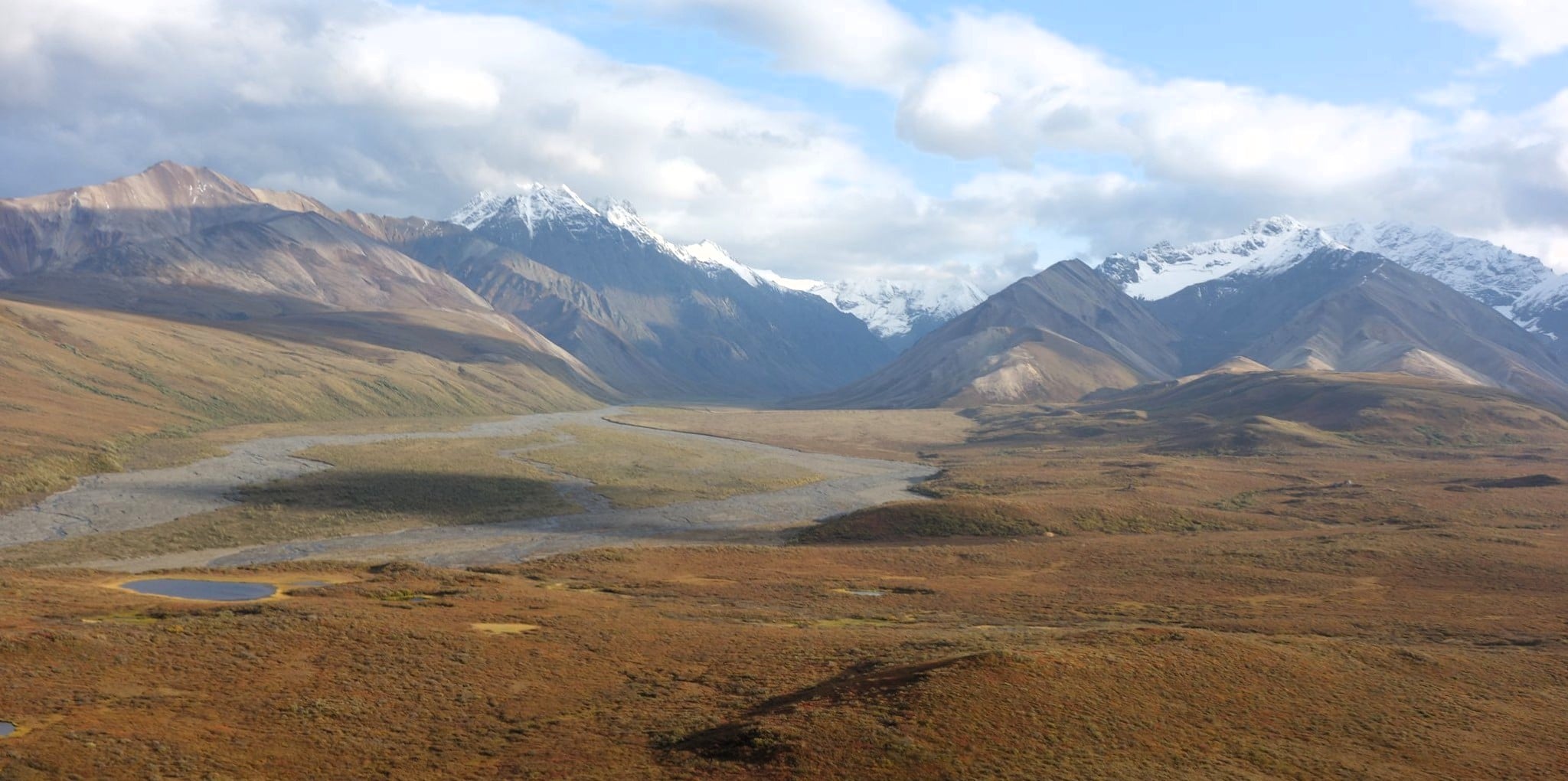


Alaska is one of the great wilderness destinations of the world, and its national parks are unlike anywhere else on Earth. Whether you’re drawn to the towering peaks and open tundra of the interior or the dramatic fjords and calving glaciers of the coast, Alaska rewards the traveler willing to venture off the beaten path. If coastal wilderness is more your speed, you might want to start with a trip to Glacier Bay National Park before making your way inland; but if you’re ready to chase North America’s tallest summit and its surrounding six million acres of untamed wild, then Denali is calling your name.
Why Denali Should Be On Your US National Park Bucket List
Deep in the rugged, isolated interior of Alaska lies Denali National Park, one of the most awe‑inspiring and least tamed tundra landscapes in the United States. Home to North America’s tallest peak, vast valleys, and an incredible range of wildlife (moose, grizzlies, caribou, and the rarer wolves, to name a few), Denali is one of the more accessible destinations for getting as far away from civilization as possible. It is one of the more remote parks, with only a single road cutting through its six million acres, with almost all of that road being traveled by the parks shuttle system alone; you won’t find any traffic there. But with its sweeping vistas and towering mountain ranges, it’s a National Park no traveler should pass up. Here’s the itinerary I followed on my trip to Denali.
How to Get to Denali National Park
Before you can fully enjoy Denali, you have to get there, and that will require a bit of effort. It can be reached by flying into either Anchorage or Fairbanks (Anchorage sits about 240 miles south of the park and Fairbanks about 120 miles north) before continuing by car, train, or motorcoach. From either airport, you can rent a car and drive along the George Parks Highway, taking roughly 5 hours from Anchorage or 2.5 hours from Fairbanks. It’s a gorgeous drive all on its own, and I’d recommend it to any road trip enjoyers.
For a scenic yet car‑free option, the Alaska Railroad’s Denali Star train runs between Anchorage, Talkeetna, Denali, and Fairbanks during the summer season. Several motorcoach services also provide direct transfers from major cities, offering a comfortable alternative for those who prefer not to drive. For a more adventurous option, there is a selection of small plane charters that can take you to nearby airstrips or on flightseeing tours around Denali.
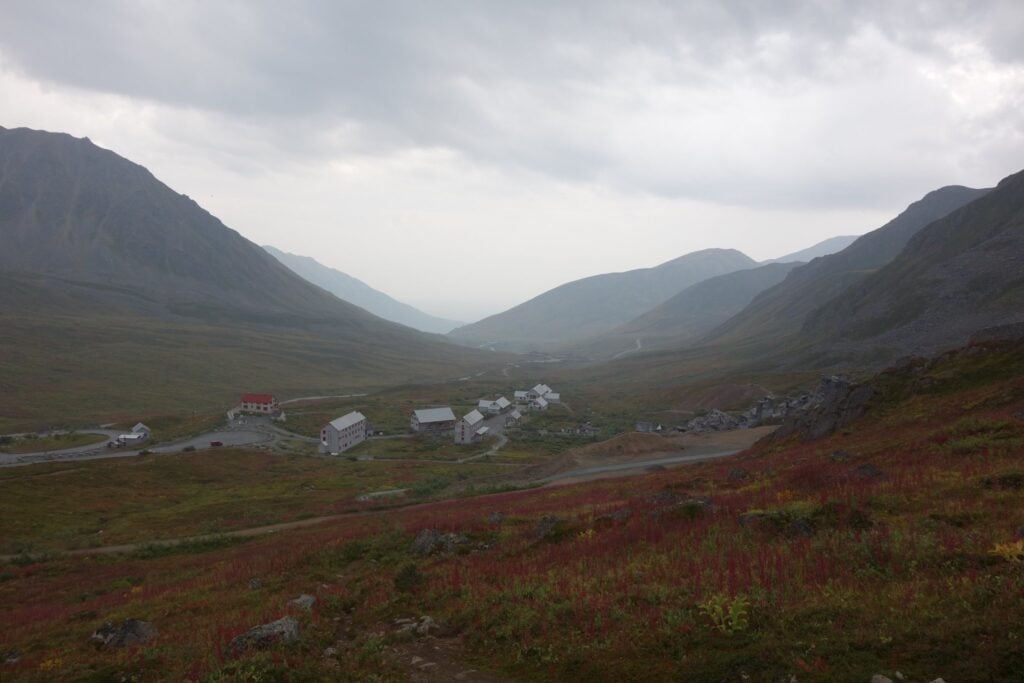
If you are driving north from Anchorage as I did, I have some recommendations for you! It is a gorgeous drive across the interior of Alaska, and while driving you will pass by Independence Mine State Historic Park, a fascinating abandoned mining facility tucked away in a deep valley where you can walk from building to building imagining what it might have been like to live in this isolated outpost. When you’re closer to Denali, about 40 minutes out, Denali Viewpoint South provides an impressive long view of the enormous mountain you’ll be visiting shortly.

Day 1: Denali Visitor Center and Easy Hikes Near the Entrance
You’ll start your day in the Denali Visitor Center, where you can peruse its displays and exhibits detailing local geography, history, and ecology. If you’re interested in learning more, a short park film plays throughout the day that covers more details of the area you’re about to be walking through. Rangers are also available and happy to provide information and answer any questions you might have, including on the current conditions and weather in the park. If you want to grab a bite to eat before getting into the wild, Morino Grill is located right next door and offers American fare.
Once you are ready to get out into nature, you have a few options directly around the visitor center. Horseshoe Lake Trail is a 2-mile round trip hike that will take you up to a panoramic view of Horseshoe Lake before taking you back down to hike along the lakeshore. You can also detour off a short side trail to visit a beaver dam overlook, and if you happen to be there at dawn or dusk you might get lucky and see the beavers themselves.

Savage River Loop should be your next stop; it’s a bit farther into the park at mile marker 15, and it’s also as far as you can go into the park in your own vehicle, any further will require you take advantage of the park’s shuttle service (which you’ll be doing tomorrow). For now, though, the Savage River Loop will take you on another 2-mile round trip hike, but on this trail, you’ll be traveling alongside... you guessed it, the Savage River. The clear, rocky river runs between two rugged ridges (upon which you might glimpse some Dall sheep) and proves a memorably serene environment. At its apex it will take you up to a viewpoint before returning on the other side of the river.

After a day of nature, if you’re in the mood for a bit more touristy attractions, you can visit the very popular commercial area right outside of the park entrance, colloquially called “Glitter Gulch”. Here you’ll find all sorts of stores, restaurants, gift shops, and tour operators. Even if you’re not in the mood for shopping, it’s worth a once-over. There are many dinner options here as well; one interesting offering is Moose-aka, a Serbian restaurant with a lot of unique offerings, including a Serbian Cheesecake that was more like a custard with whipped cream, fruit, and cinnamon (and was in fact the best thing I ate on the whole trip). After that, it’s time to retire and prepare for tomorrow, when you’ll be going deep into the heart of Denali.
Day 2: Taking the Denali Park Road Shuttle
Today is the day you finally venture into the interior of Denali. As deep as the park currently allows, anyway. Due to recent landslides, reconstruction is ongoing on much of the deeper interior sections. Thus, the Denali Park Road remains closed past Mile 43 until at least summer 2026, and all shuttles turn around at the East Fork area. But don’t let that dissuade you; what lies within the first 43 miles of the park road is more than enough wildlife, scenery, and tundra landscape to make a trip worthwhile.
Your day will begin at the Denali Bus Depot, just a short drive from the visitor center (which offers parking), where you’ll check in for your shuttle departure. The park buses run frequently, function on a hop‑on, hop‑off system, and there are readily available schedules for knowing when the buses will be traveling.
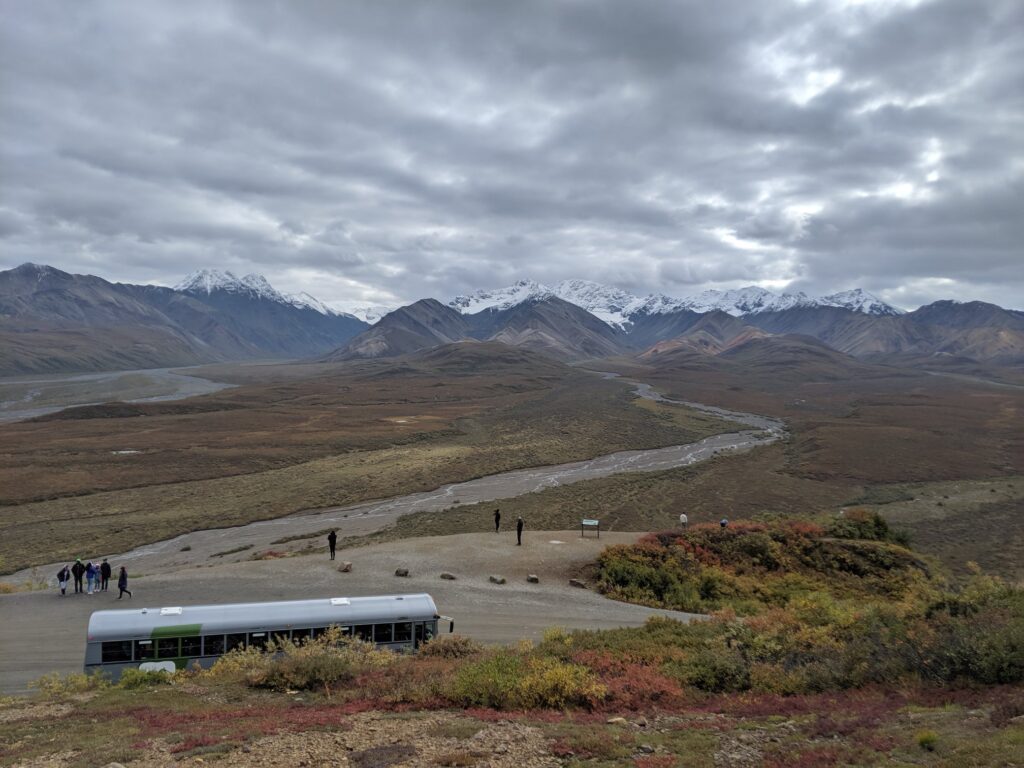
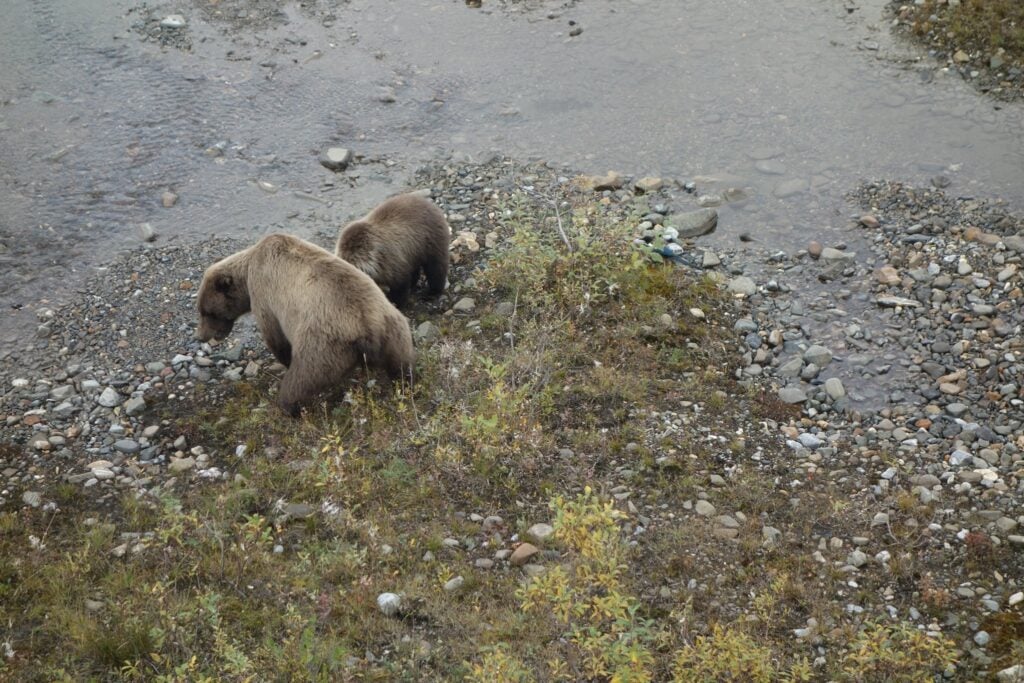
The drivers are well aware of why you’re there, and so will stop anytime wildlife is spotted by them or passengers who call them out (the most common sightings are bear, caribou, moose, and Dall sheep). Seatbelts are required, and you’ll need to bring food, water, and something to occupy yourself during the long stretches of driving. As gorgeous as it is, you will be on the road for a long time; taking it as far as it can go and back will almost always be a full day venture, especially if you’re hopping out for hiking.
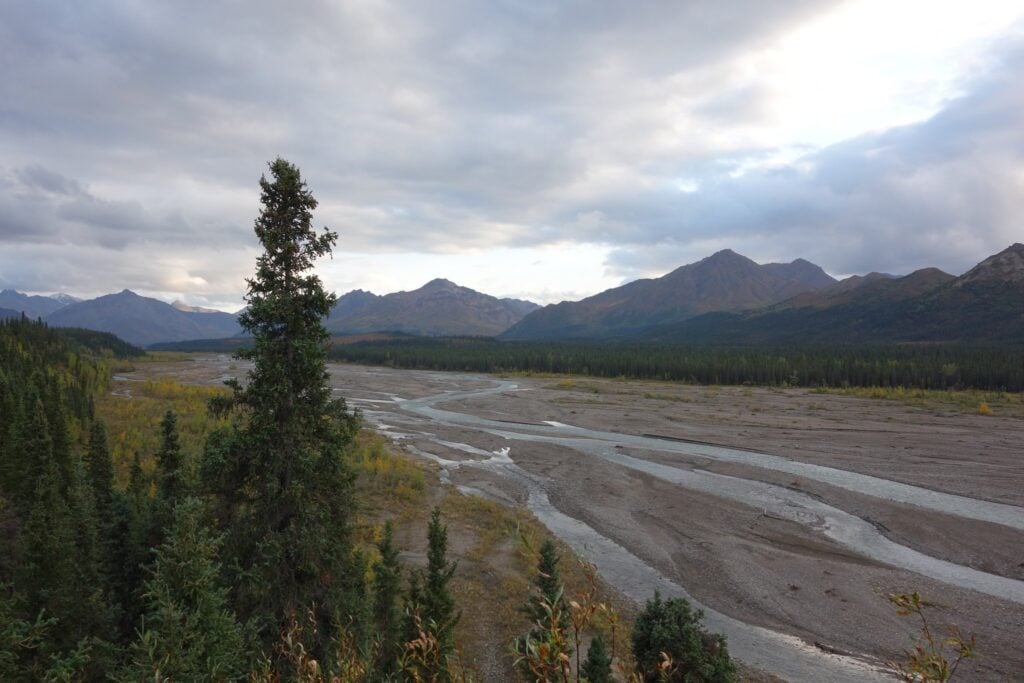
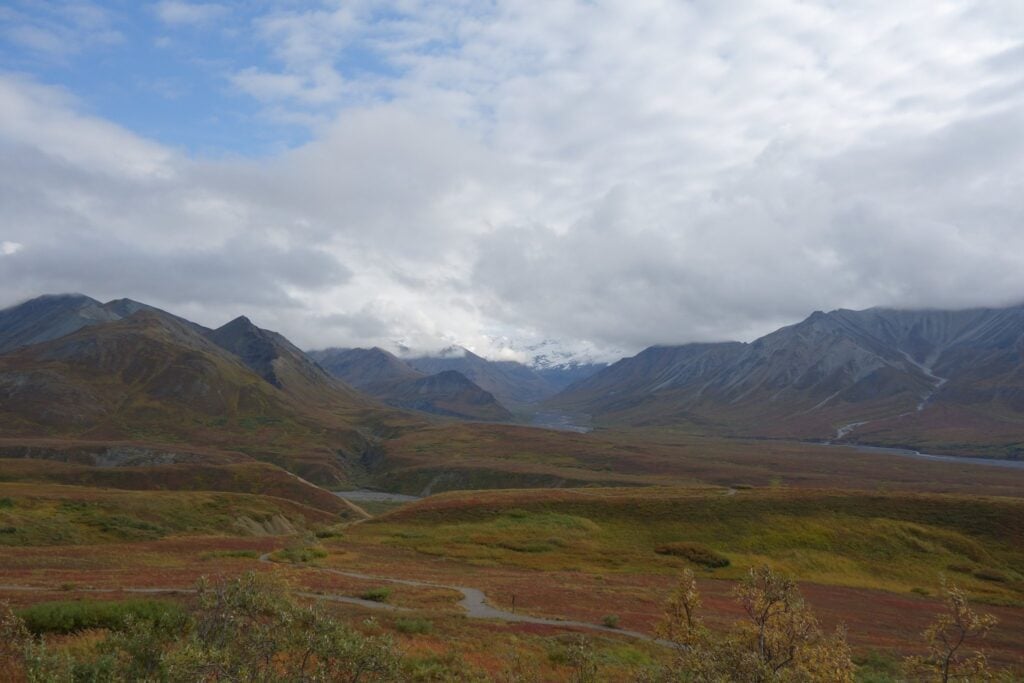
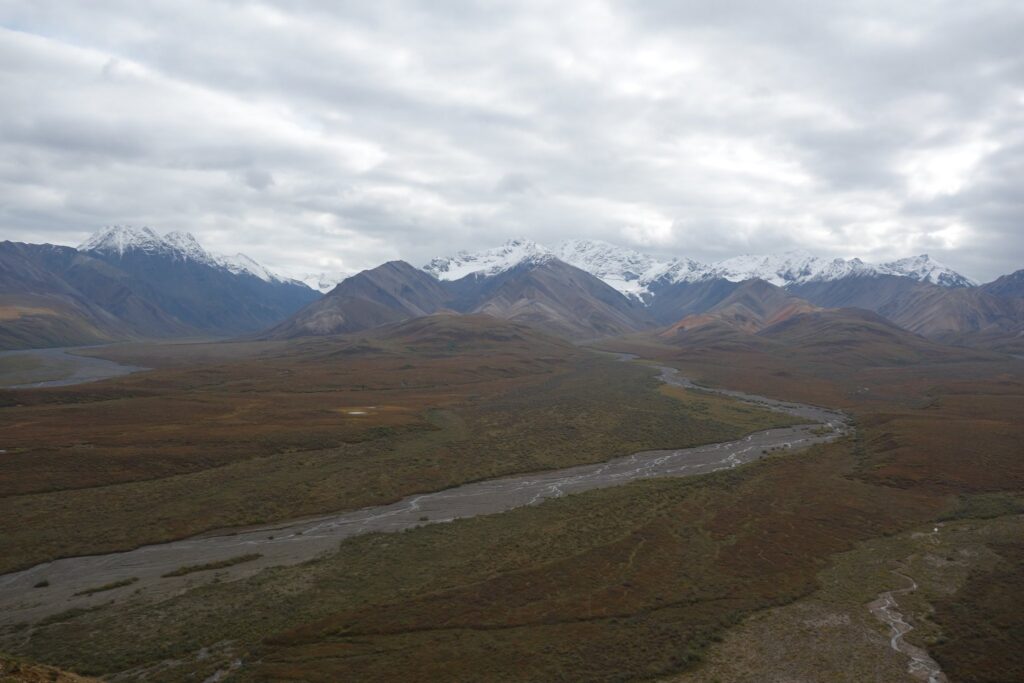
Speaking of hiking, while there are no marked, maintained trails in the interior of the park (largely due to efforts to keep it an unspoiled wilderness), there are plenty of places to hop off a bus, hike around at your own leisure, and then return to the road to flag down the bus when you’re done. Some popular ones are the Igloo Mountain area around mile 34 that will let you walk along some of the alpine ridgelines (and where seeing Dall Sheep is far more likely) and East Fork River at mile 43 (which is where the buses will turn around until the roadwork is complete) where you can hike down to the riverbed and if you are very lucky and the clouds make way, you can get an incredibly impressive view of Denali itself looming over you.

Once you’ve returned from your journey into the interior, you can return to the Glitter Gulch area for dinner. This time consider Karstens Public House, which offers quality comfort food set amidst an upscale lodge style hotel courtyard area perfect for relaxing by a firepit with a drink, talking over the day's events. After that, rest up for your last day, because it’s going to be some serious hiking.
Day 3: The Best Day Hikes in Denali National Park
Your third and final day will offer a mix of intense hiking, mellow forest walking, and some stunning viewpoints to soak in before you depart. You can start at the Black Bear Grill, well‑known for its country‑style dishes and hearty breakfasts (which you’ll need if you’re attempting some of the more strenuous hikes here).
Once you’re ready to hit the trail, you’ll have a few options. The Mount Healy Overlook Trail is a 5-mile round trip with roughly 1,700 feet of elevation gain. It is one of Denali’s most popular moderately difficult day hikes, and for good reason: the views are tremendous. The route starts in the forest but quickly gains altitude through a series of switchbacks, each one opening up grander and grander views of the surrounding tundra, sky, and mountain ranges. Near the top, the trail becomes quite steep, often with long, exposed switchbacks that can test your patience, but the climax is a dramatic panoramic view that makes the trek worthwhile.
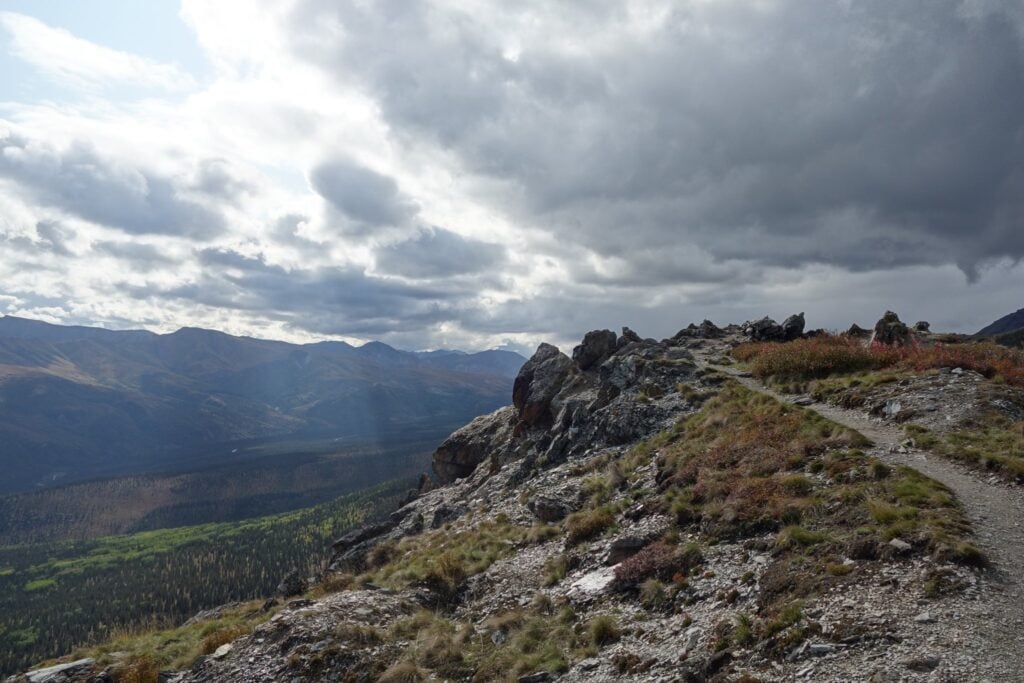
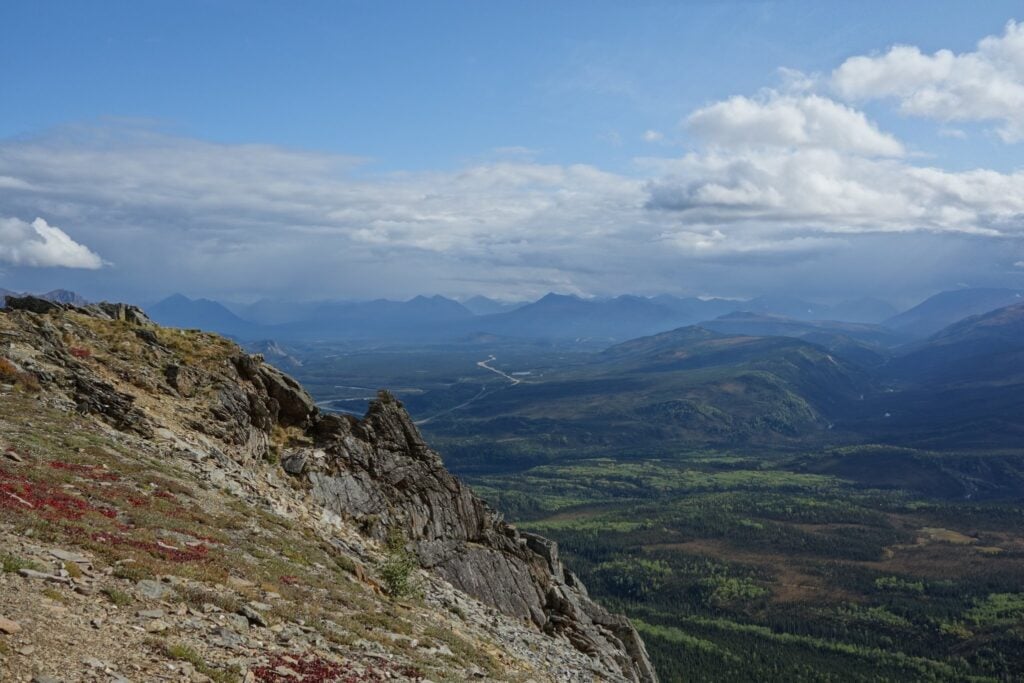
If you're craving something more extreme, the Bison Gulch Trail on the highway side of Mt. Healy is one of the steepest, most demanding climbs in the area. With around 4,000 feet of gain in roughly 7 miles, the first 1.7 miles alone climb around 2,000 feet and consist of loose gravel, steep grades, and almost no switchbacks (and full disclosure, is as far as I made it before turning back). This route is wildly taxing but offers incredible mountain views of the Nenana River Canyon.
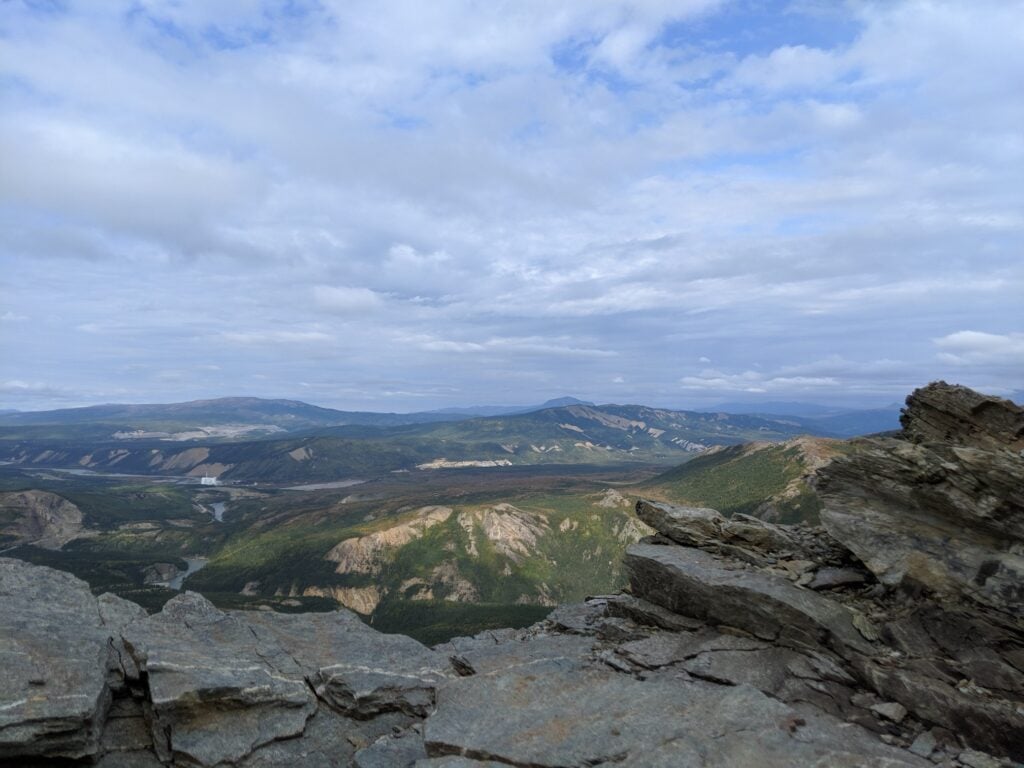
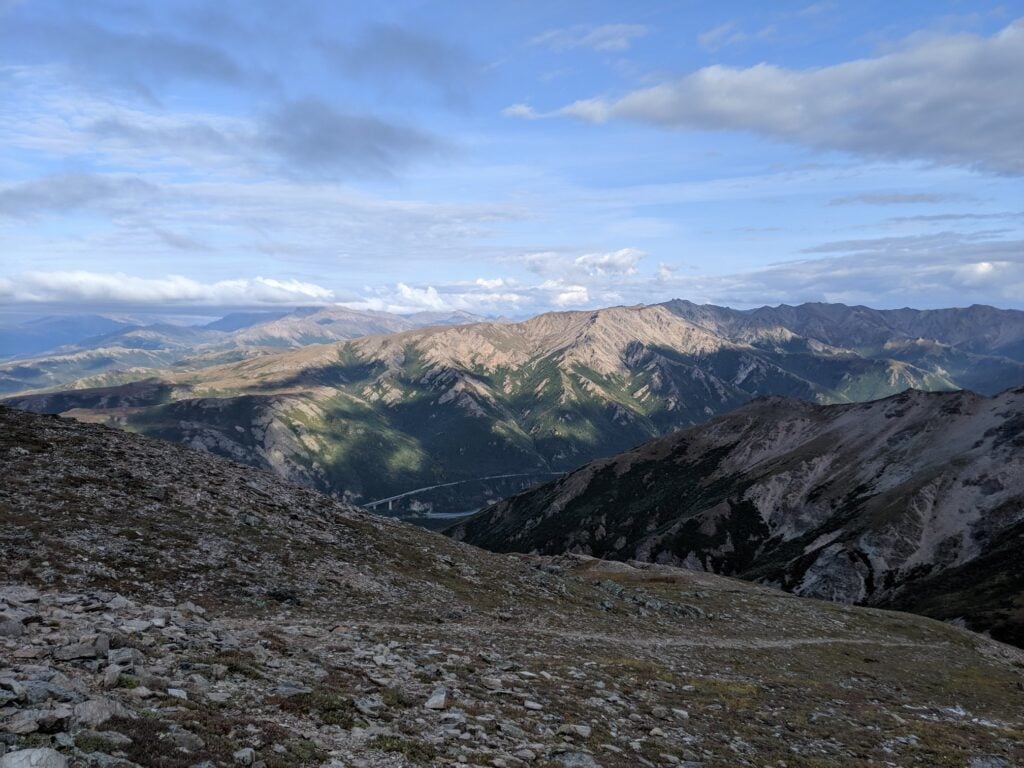
If either of those hikes have left your legs feeling a little weak, the McKinley Station Trail offers a nice cooldown, being a peaceful 3-mile loop through spruce forest, meadows, and quiet stretches along Riley Creek. It’s near the visitor center, kid‑friendly, flat, and full of interpretive history about the history of the area, including the old railroad and early park life, making it an excellent calming final stroll.

Celebrate your successful hikes, successful trip, and weak legs in the nearby town of Healy (about 15 minutes north) where you can visit a few different restaurants, of which I’d recommend 49th State Brewery, which features great burgers, local beer, and some uniquely Alaskan atmosphere.
Where to Go After Denali: Extending Your Alaska Road Trip
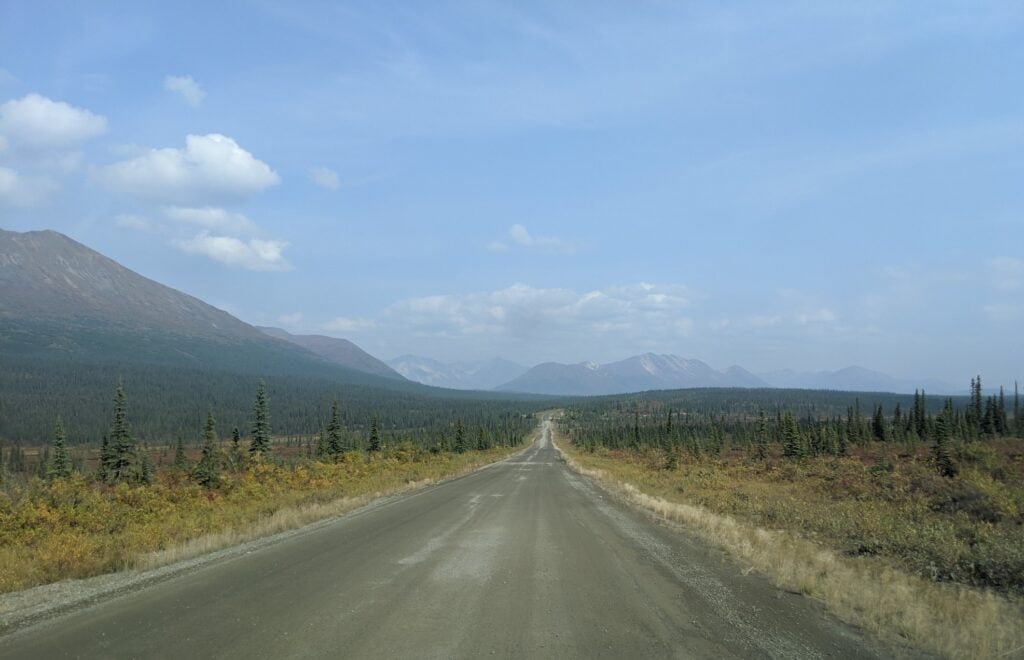
If you flew or rode a train into Denali, you’ll likely have a return already booked, and if you drove from either Fairbanks or Anchorage, you’ll have another short road trip ahead of you. However, if you have another few days, might I suggest extending this trip by road tripping to Wrangel-St. Elias National Park. The 135‑mile Denali Highway route will take you through the remote outback of Alaska, where the open tundra landscape gradually gives way to rugged peaks, weaving rivers, and remote Alaskan towns, culminating in America’s largest national park where you’ll be able to tour historic mining towns that cling to the edges of vast icefields.
Where To Stay Near Denali: The Best Hotels
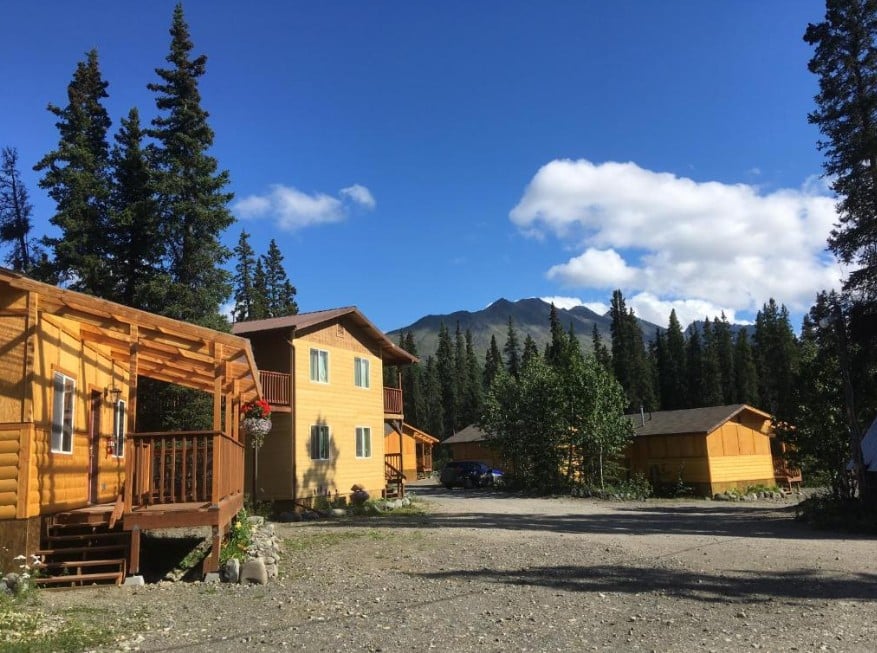
1. McKinley Creekside Cabins $$$
Sitting along Carlo Creek about 15 minutes south of the Denali entrance, this is a locally owned boutique lodge. Most cabins are intentionally TV-free, and some sit close enough to the creek that guests fall asleep to the sound of the water.
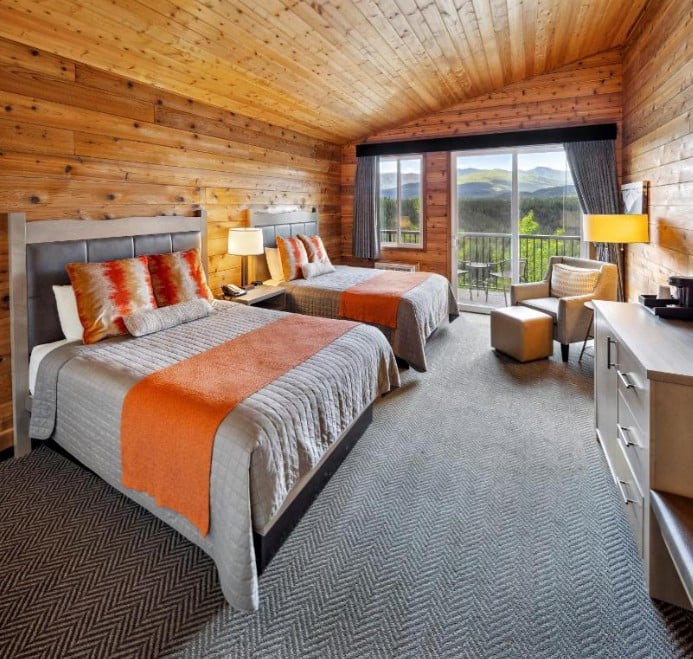
2. Denali Bluffs Hotel $$$
Tucked into the slope of Sugarloaf Mountain rather than clustered at the park entrance, Denali Bluffs sits a notch above the typical Denali hotel scramble - literally, with elevated views most competitors can't match.
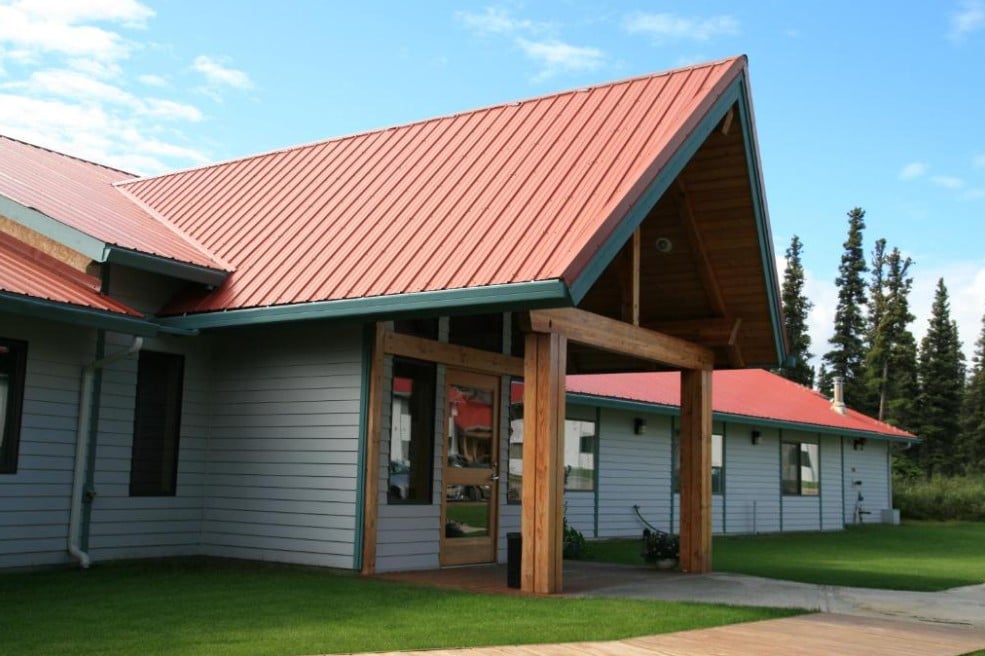
3. Aurora Denali Lodge $
A no-frills family-run motel in Healy, about 13 miles north of the park entrance, Aurora Denali Lodge sits far enough from the tourist strip that wildlife sightings on the property — moose, lynx, snowshoe hares, and owls — are a regular occurrence.Staff have been known to knock on guest room doors the moment the Northern Lights appear, which given the property's darkness and open sightlines, makes it a genuinely strong pick for aurora hunters on a budget.